
Signs You (or a Loved One) Need Rehab: Self-Assessment

Wondering whether substance use has crossed a line can feel frightening. You may still be working, caring for family, or keeping parts of life on track while privately worrying about how much you drink or use. If you are concerned about someone else, you may be unsure whether the changes you see are temporary difficulties or signs that more support is needed.
The signs you need rehab are not limited to how often a substance is used. Loss of control, health effects, withdrawal, risky behavior, and continuing despite consequences can all matter. This guide includes a practical signs of addiction checklist and an interactive do I need rehab quiz based on simplified clinical criteria. It cannot diagnose a substance use disorder or determine the right treatment setting, but it can help you decide whether to arrange a professional assessment.
Rehab is also not a single program. Depending on a person’s symptoms, safety risks, home environment, and support network, help may involve a doctor, therapist, outpatient clinic, medically supervised detox, residential care, medication, or peer support. Our guide to What Is Rehab? A Complete Guide to Addiction Treatment explains these options in more detail.
Behavioral Signs: Loss of Control and Neglected Responsibilities
One of the clearest warning patterns is a growing gap between what a person intends to do and what actually happens. They may plan to have one drink but continue for hours, promise themselves they will not use during the week, or repeatedly attempt to reduce their use without being able to sustain the change. The National Institute on Alcohol Abuse and Alcoholism identifies using more than intended and unsuccessful efforts to cut down as clinical indicators of alcohol use disorder; comparable criteria are applied to other substance use disorders.
Responsibilities may gradually receive less time, attention, or care. This can appear as missed shifts, declining performance, unpaid bills, forgotten appointments, poor school attendance, or difficulty caring for children and maintaining the home. A person may spend increasing amounts of time obtaining a substance, using it, concealing it, or recovering afterward. Activities that once mattered—including exercise, hobbies, friendships, and family events—may become less important.
- Using more of a substance, or for longer, than originally planned
- Making repeated attempts to stop or cut down without lasting success
- Arriving late, missing work or school, or becoming less dependable
- Giving up hobbies, routines, or relationships to make time for substance use
- Driving, operating equipment, having unsafe sex, or entering other hazardous situations while impaired
- Continuing to use after arguments, disciplinary action, financial problems, or other consequences
- Hiding supplies, lying about use, or becoming unusually defensive when asked about it
No single behavior proves that someone has an addiction. Look for repetition, loss of choice, and meaningful consequences rather than one isolated incident. If you are worried about another person, approach the conversation calmly and focus on specific changes you have observed. How to Help a Loved One Get Into Rehab offers guidance on preparing for that discussion without shaming or threatening them.
Physical Signs: Tolerance, Withdrawal, and Declining Health
Tolerance means that a person needs a larger amount to produce the effect they previously experienced, or that their usual amount has less effect. Withdrawal refers to symptoms that emerge when substance levels fall or use stops. Both are recognized substance use disorder criteria, although their presence alone does not establish a diagnosis and clinicians must consider the specific substance, prescription context, and complete pattern of symptoms.
Possible physical changes include disrupted sleep, appetite or weight changes, shaking, sweating, nausea, headaches, unusual fatigue, impaired coordination, bloodshot eyes, repeated injuries, memory problems, or worsening medical conditions. The pattern varies substantially by substance. Some people also begin using early in the day or taking a substance primarily to relieve withdrawal rather than to feel intoxicated.
- Needing progressively larger amounts to feel the desired effect
- Feeling shaky, sweaty, nauseated, restless, anxious, or unwell when use is delayed
- Using again to prevent or relieve withdrawal symptoms
- Experiencing blackouts, falls, burns, accidents, or unexplained injuries
- Sleeping far more or less than usual
- Ignoring persistent pain, digestive symptoms, breathing problems, or other health concerns
- Appearing frequently sedated, overstimulated, unsteady, or physically unwell
Do not attempt a risky withdrawal alone
Suddenly stopping heavy or prolonged alcohol use can lead to seizures, hallucinations, severe confusion, and other potentially life-threatening complications. Abruptly stopping or rapidly reducing benzodiazepines can also cause severe withdrawal, including seizures. Speak with a doctor, emergency service, or treatment admissions team before stopping if physical dependence may be present. If someone cannot be awakened, is breathing slowly or not at all, has blue or discolored lips, is having a seizure, or appears severely confused, call the local emergency number immediately. In the United States, call 911. Give naloxone if opioid overdose is suspected and it is available, and remain with the person until help arrives.
For substance-specific information, see Withdrawal Symptoms & Timelines by Substance. Withdrawal management can protect a person through the immediate physical process, but it is not the same as ongoing addiction treatment. The Levels of Care in Addiction Treatment: Detox to Aftercare guide explains how detox can connect with outpatient, residential, and continuing care.
Psychological and Emotional Signs: Mood Changes, Denial, and Isolation
Substance use can become closely connected with emotions. Someone may rely on alcohol or drugs to manage anxiety, sadness, trauma reminders, anger, boredom, loneliness, or sleep difficulties. Over time, their mood may appear increasingly tied to whether they can use, whether they are intoxicated, or whether they are experiencing withdrawal.

Mood swings can have many causes and should not be treated as proof of addiction. Concern increases when emotional changes occur alongside secrecy, impaired control, cravings, health effects, or consequences. Substance use disorders and other mental health conditions can occur together, so a comprehensive assessment should consider both rather than assuming that one fully explains the other.
- Becoming irritable, anxious, depressed, unusually energetic, or emotionally unpredictable
- Withdrawing from supportive friends and relatives
- Losing interest in activities that previously provided meaning or enjoyment
- Minimizing the amount used or blaming every consequence on someone else
- Feeling intense guilt or shame but continuing the same pattern
- Using primarily to escape feelings, memories, conflict, or stress
- Becoming preoccupied with when, where, and how the next use will happen
- Continuing despite knowing that use worsens anxiety, depression, sleep, or another health problem
Denial does not always look like a complete refusal to acknowledge substance use. It may sound like, “I can stop whenever I want,” “I still have a job,” or “Other people use more than I do.” A person does not have to lose everything before seeking help. Treatment can address substance use and emotional health together through approaches described in Types of Therapy Used in Addiction Treatment.
DSM-5-TR Substance Use Disorder Criteria, Simplified
Clinicians use the Diagnostic and Statistical Manual of Mental Disorders, Fifth Edition, Text Revision, or DSM-5-TR, alongside an interview and other assessment information. Substance use disorder is evaluated separately for each substance. The framework includes 11 criteria covering impaired control, social difficulties, risky use, physical or psychological harm, tolerance, and withdrawal during the same 12-month period.
These numbers describe diagnostic severity; they do not automatically prescribe residential rehab. Someone with fewer criteria may still need urgent medical attention because of overdose risk, dangerous withdrawal, pregnancy, suicidal thoughts, severe mental illness, or an unsafe home. Conversely, some people meeting several criteria may be safely treated through structured outpatient care. ASAM guidance recommends an individualized assessment of withdrawal risk, physical and mental health, substance-related risk, daily functioning, and recovery environment before selecting a level of care.
Diagnosis and severity
- Considers symptoms linked to one substance during a 12-month period
- Uses the number of applicable criteria to describe mild, moderate, or severe disorder
- Should be determined by a qualified clinician rather than an online quiz
Level of care
- Considers immediate safety, withdrawal, health conditions, and psychiatric needs
- Reviews housing, support, daily functioning, and ability to attend treatment
- May range from office-based care to medically managed inpatient treatment
In practical terms, “Do I have a substance use disorder?” and “Do I need inpatient rehab?” are different questions. A clinical team can evaluate both. Learn more about how settings differ in Levels of Care in Addiction Treatment: Detox to Aftercare and how to evaluate providers in How to Choose a Rehab Center: 10 Questions to Ask.
Interactive Self-Assessment: Do I Need Rehab Quiz?
Complete this quiz for one substance at a time, considering only the past 12 months. For example, answer once for alcohol and separately for opioids, cannabis, stimulants, sedatives, or another drug. Select each statement that applies. Ask yourself what has actually happened, not what you hoped would happen. If you are completing it about a loved one, count only behaviors you have reasonably observed rather than making assumptions.
In the past 12 months, have you experienced any of the following?
- I often used more of the substance, or used it for longer, than I intended.
- I wanted to reduce or stop, or attempted to do so, but could not maintain the change.
- I spent a substantial amount of time obtaining, using, or recovering from the substance.
- I experienced strong cravings or urges to use.
- My use contributed to problems fulfilling responsibilities at home, work, or school.
- I continued using even though it repeatedly caused or worsened conflict with other people.
- I reduced or stopped important social, work, family, or recreational activities because of my use.
- I used in situations where impairment created a meaningful risk of injury or harm.
- I continued even though I knew the substance was causing or worsening a physical or psychological problem.
- I needed more than before to achieve a similar effect, or my usual amount became noticeably less effective.
- I experienced withdrawal when I stopped or reduced use, or used the substance to avoid withdrawal.
Count the boxes you selected, then use this guide as a prompt for your next step—not as a diagnosis.
| Quiz result | What it may indicate | Suggested response |
|---|---|---|
| 0–1 selected | This result is below the DSM-5-TR diagnostic threshold, but it does not rule out harmful or high-risk use. | Discuss concerns with a doctor or counselor if use is affecting your health, safety, medication, pregnancy, relationships, or peace of mind. |
| 2–3 selected | This range corresponds numerically with mild substance use disorder criteria when confirmed through a clinical assessment. | Arrange a professional assessment. Early outpatient support, therapy, medication, or another focused intervention may be appropriate. |
| 4–5 selected | This range corresponds numerically with moderate substance use disorder criteria when clinically confirmed. | Seek a prompt assessment from an addiction-informed clinician or admissions team to discuss treatment intensity and withdrawal safety. |
| 6 or more selected | This range corresponds numerically with severe substance use disorder criteria when clinically confirmed. | Contact a treatment professional promptly. Ask specifically about medical assessment, detox needs, medications, mental health care, and the safest level of support. |
Some answers require urgent action regardless of the score
Seek immediate help for a suspected overdose, severe withdrawal, seizures, hallucinations, suicidal thoughts, inability to stay safe, or dangerous intoxication. A low quiz score should never override an urgent medical or psychiatric risk. Contact local emergency services or a crisis service, and consult a doctor or clinical admissions team for safety-critical decisions.
This signs of addiction checklist is adapted from the broad structure of DSM-5-TR criteria but is not a validated diagnostic instrument. A clinician may ask follow-up questions about frequency, timing, prescriptions, medical conditions, other substances, mental health, and functional impairment before reaching any conclusion.
What to Do Next Based on Your Result
You do not need to wait for the situation to become severe before asking for help. A confidential assessment can clarify whether the concern involves risky use, physical dependence, a substance use disorder, another medical or mental health condition, or a combination. Primary care clinicians, addiction medicine specialists, licensed therapists, and treatment programs may all provide assessment or referrals.
Practical next steps
- Write down which substance or substances are involved, how often they are used, and the approximate amount.
- List any previous withdrawal symptoms, overdoses, seizures, blackouts, emergency visits, or unsuccessful attempts to stop.
- Record current prescriptions, medical conditions, pregnancy status, and mental health symptoms for the assessing clinician.
- Ask whether stopping suddenly could be dangerous and whether medically supervised withdrawal is recommended.
- Request an explanation of the proposed level of care and why it fits your current risks and support needs.
- Ask which behavioral therapies, medications, family services, and continuing-care options are available.
- Verify professional credentials, program accreditation where applicable, costs, insurance arrangements, and what happens after discharge.
If your result was in the lower range, appropriate help may include brief intervention, individual therapy, medication, telehealth, mutual-support meetings, or regular monitoring. SAMHSA describes recovery as a personal process that can involve clinical care, medication, peer and family support, faith-based resources, and self-care. Recovery does not follow one universal route.
If several criteria applied, if your environment makes it difficult to stop, or if previous outpatient attempts have not provided enough support, a more structured program may be worth considering. Compare outpatient and residential options using Inpatient vs Outpatient Rehab Cost Compared, and review typical time frames in How Long Does Rehab Take? 30/60/90-Day Guide. Coverage and benefits vary, so check Does Insurance Cover Rehab? Complete Guide before making financial commitments.
For a loved one, avoid turning the quiz score into an accusation. Share the specific behaviors that concern you, explain the effect they are having, and offer to help arrange an assessment. Unless there is an immediate emergency, the goal is to create a path toward care rather than win an argument.
Concern is enough reason to start a conversation
You do not have to prove that you or someone you love “needs rehab” before speaking with a professional. An assessment is simply a way to understand the risks, explore options, and choose a safer next step.
Explore Rehabs by Location
Related Reading
Frequently Asked Questions
Meeting two or more of the 11 DSM-5-TR criteria for the same substance within 12 months may indicate a substance use disorder when confirmed by a qualified clinician: two to three criteria are classified as mild, four to five as moderate, and six or more as severe. However, there is no single score that automatically means a person needs residential rehab. Treatment recommendations also depend on withdrawal and overdose risk, physical and mental health, home safety, previous treatment response, daily functioning, and available support. Even one issue—such as an overdose, seizure, suicidal thinking, dangerous intoxication, or potentially severe alcohol or benzodiazepine withdrawal—can require immediate professional care. Ask a doctor or clinical admissions team to assess both diagnosis and level of care.
Related Articles
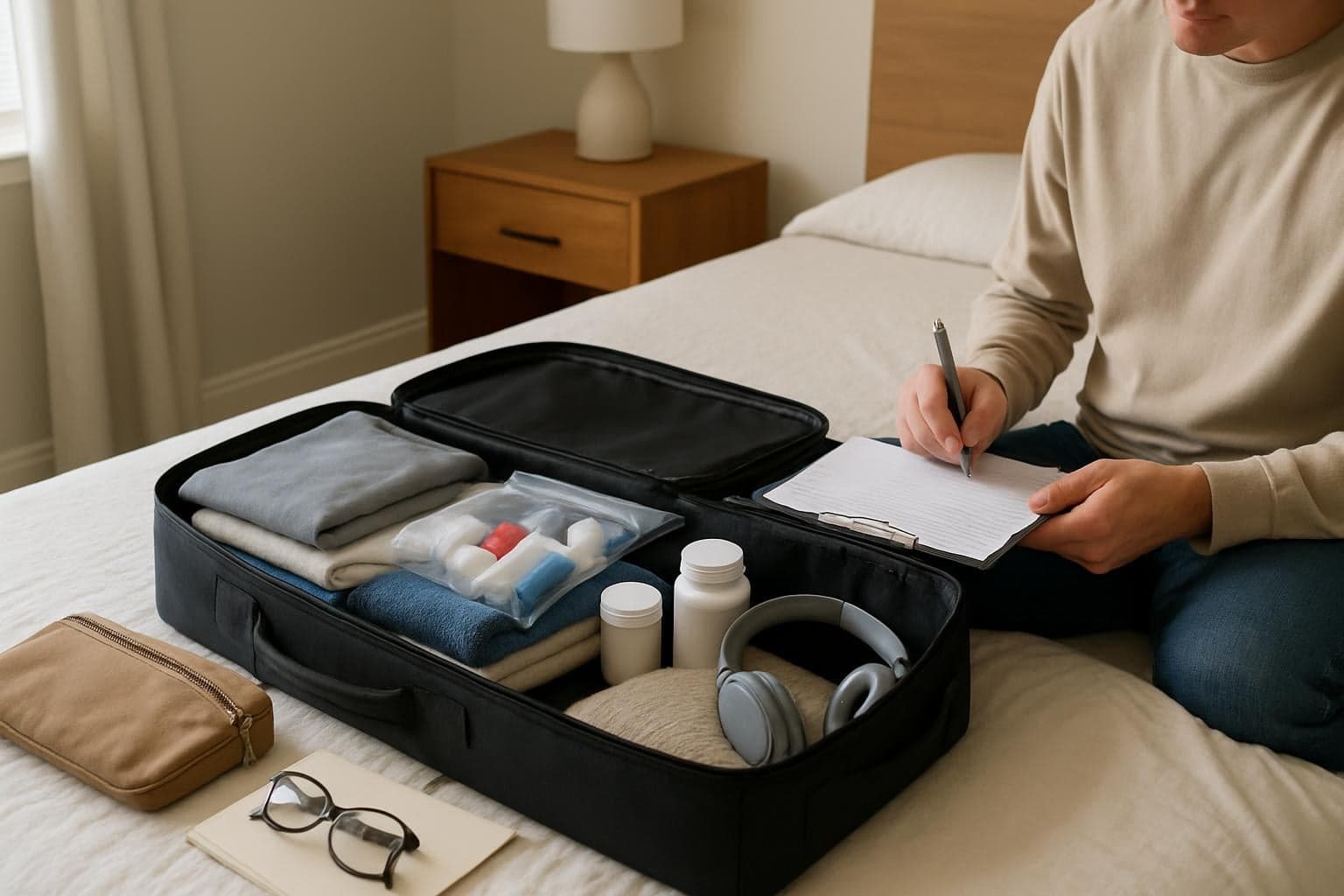
What to Pack for Rehab: Complete Checklist
Preparing for residential treatment can feel overwhelming, especially when different programs have different rules. A simple rehab packing list can make admission day calmer and he…

Sober Living Homes: What They Are & How to Choose One
A sober living home is a substance-free shared residence where people can build stability, routines, and supportive relationships during recovery. It can provide a practical bridge…

How to Stage an Intervention: Step-by-Step Guide
When someone you care about is living with addiction, it is natural to want one conversation that changes everything. An intervention can create an opportunity to accept help, but…