
How to Help a Loved One Get Into Rehab

Watching someone you care about struggle with alcohol or drugs can leave you frightened, frustrated, and unsure what to do next. You may feel responsible for finding the perfect words, arranging treatment, or convincing them to change. In reality, you cannot control another adult’s decisions, but you can communicate your concerns clearly, reduce practical barriers to care, and be ready when they become willing to accept help.
Learning how to get someone into rehab is less about winning an argument and more about creating a realistic path toward professional support. The process may take several conversations. It can involve researching treatment, checking insurance, setting boundaries, and obtaining help for yourself as well as your loved one. If there is an overdose, suicidal behavior, severe confusion, violence, or another immediate danger, contact emergency services rather than attempting to manage the situation alone.
Read more: What Is Rehab?
Recognizing when it's time to step in
A single difficult incident does not tell you everything about a person’s health. Look instead for a pattern of substance use that is causing harm or becoming harder to control. Warning signs may include unsuccessful attempts to cut down, neglect of responsibilities, hazardous behavior, withdrawal symptoms, or continued use despite physical, emotional, or relationship problems. These patterns are consistent with the clinical features of substance use disorders described by NIDA. Read more: Types of Addiction: A Complete Guide
- Alcohol or drug use is repeatedly interfering with work, education, parenting, finances, or important relationships.
- They are using in dangerous circumstances, such as before driving, while caring for children, or alongside substances that increase overdose risk.
- They have experienced an overdose, serious injury, legal problem, or substance-related medical emergency.
- They frequently promise to stop or reduce their use but cannot maintain the change.
- You notice withdrawal symptoms, escalating use, significant mood or behavior changes, or increasing time spent obtaining, using, and recovering from substances.
- Other household members feel unsafe, or children are being exposed to impaired supervision, violence, unsecured substances, or unpredictable behavior.
You do not need to diagnose your loved one before raising a concern. A doctor or qualified addiction clinician can assess substance use, physical health, mental health, withdrawal risk, and the appropriate level of care. That assessment matters because residential rehab is only one option; some people need hospital-based withdrawal management, while others may be treated through outpatient or community services.
Treat immediate danger as an emergency
If the person cannot be awakened, is breathing slowly or irregularly, makes choking or gurgling sounds, or has discolored lips or nails, the CDC advises treating the situation as a possible overdose. Call 911, give naloxone if opioid overdose is possible and naloxone is available, place the person on their side, and stay with them. Do not encourage someone who may be physically dependent on alcohol or benzodiazepines to stop suddenly without medical advice; withdrawal from either can become life-threatening.
Starting the conversation: approach, timing, language
Choose a private, calm time when the person is not intoxicated and you are not in the middle of a crisis or argument. SAMHSA recommends being direct about your concerns, listening without judgment, acknowledging the person’s feelings, and offering practical help. Prepare a few specific observations in advance so that the conversation does not become a list of every past mistake.
Lead with care and describe what you have personally seen: “I love you, and I’m worried because you missed work twice after drinking and needed medical help last weekend.” Ask open-ended questions about what they like and dislike about their current situation, what they fear about treatment, and what they would want life to look like instead. Your first goal may simply be agreement to speak with a doctor or admissions clinician, not an immediate commitment to months of residential care.
Language that can keep the conversation open
- I care about you, and I want to understand what is happening.
- What worries you most about getting help?
- Would you be willing to talk with a clinician and hear the options?
- I can help make calls, check coverage, or travel with you.
- You do not have to decide everything today, but I cannot ignore what is happening.
Language that often increases defensiveness
- You are selfish and ruining everyone’s life.
- If you cared about us, you would stop.
- You must agree with every treatment decision I have made.
- You always fail, so this is your last chance.
- There is no point talking unless you admit you are an addict.
Avoid having several relatives confront the person unexpectedly unless the meeting has been planned with an appropriately qualified professional. Multiple angry voices can feel threatening rather than supportive. If safety permits, keep the first conversation small, respectful, and focused on the next achievable step.
Handling denial and resistance
Denial may sound like “I can stop whenever I want,” “Other people use more than I do,” or “Rehab will destroy my career.” Resistance can also reflect shame, fear of withdrawal, concern about cost, childcare responsibilities, previous negative treatment experiences, or uncertainty about life without substances. Listening for the reason beneath the refusal gives you something concrete to address.
Do not get pulled into debating labels or proving that the person has reached a particular definition of addiction. Return to observable consequences and your own limits. You might say, “We may disagree about the label, but I am worried about the overdose and I am not willing to lend money that may support further use.” A boundary should describe what you will do to protect health, finances, children, or the home. It should not be a threat you are unwilling or unable to carry out.
- Keep the treatment invitation available without repeatedly arguing about it.
- Offer a smaller first step, such as a primary-care visit, confidential assessment, telehealth consultation, or tour of a program.
- Ask permission before sharing information: “Would it be okay if I showed you two options?”
- Do not provide money, excuses, housing, or transportation in ways that expose you or others to harm.
- Document serious incidents and the treatment options you have found so you can respond quickly when willingness changes.
- Consider family therapy or Community Reinforcement and Family Training, known as CRAFT, for guidance on communication, boundaries, and treatment engagement. Clinical studies of CRAFT have reported variable results, so it should be viewed as a structured support approach rather than a guaranteed way to convince someone to go to rehab.
Researching options together, or on their behalf
You can research programs even if your loved one is not ready, but a clinical assessment should guide the final placement. The ASAM Criteria organize addiction care across different levels according to factors such as withdrawal risk, physical and mental health needs, safety, and the person’s ability to function in their current environment. “Rehab” may therefore mean medically managed withdrawal, residential treatment, a partial hospitalization program, intensive outpatient care, standard outpatient appointments, medication, or a combination of services. Read more: Levels of Care in Addiction Treatment
SAMHSA recommends looking for licensed or accredited care, qualified staff, evidence-based therapies, appropriate medications, family involvement when the patient wants it, and support for co-occurring medical or mental health needs. In the United States, FindTreatment.gov lists state-licensed mental health and substance use providers. Families elsewhere should use the relevant national or regional health regulator and verify each facility’s credentials directly.
Questions to ask a treatment provider
- Who completes the initial clinical and withdrawal-risk assessment?
- Is the facility currently licensed, and which organization accredits it?
- Which levels of care are available, and how is placement decided?
- Can the program safely manage the substances involved and any medical conditions?
- How are depression, anxiety, trauma, psychosis, or other co-occurring conditions assessed and treated?
- Does the program offer or coordinate FDA-approved medications for alcohol or opioid use disorders when clinically appropriate?
- How are family members involved, and what patient permission is required?
- What happens if the person needs a hospital, a higher level of care, or medication the facility cannot provide?
- What continuing-care plan is created before discharge?
- How soon could an assessment or admission occur if the person agrees?
Make a short list rather than overwhelming your loved one with dozens of facilities. Compare two or three clinically suitable choices based on safety, location, program approach, availability, accessibility, and cost. An admissions team can explain its services, but medication and withdrawal decisions should be made with a doctor or qualified clinical team. Read more: How to Choose a Rehab Center: 10 Questions to Ask
Navigating cost/insurance conversations as a family member
Treatment cost depends on the level and duration of care, the services required, location, insurance network, deductible, and other plan rules. Do not rely only on a facility’s statement that it “accepts” an insurance plan. Ask whether it is in network, which specific services require prior authorization, and what the estimated patient responsibility will be. Request the information in writing when possible. Read more: Does Insurance Cover Rehab?
Federal parity rules generally prevent many health plans that offer mental health and substance use disorder benefits from applying more restrictive financial requirements or treatment limitations than those applied to medical and surgical care. Parity does not mean every program or requested length of stay must be covered. Medical-necessity criteria, networks, authorizations, deductibles, and exclusions may still affect the final bill.
Insurance and payment verification
- Ask the insurer which withdrawal-management, residential, partial hospitalization, intensive outpatient, outpatient, and medication services are covered.
- Confirm whether the selected program and its individual clinicians are in network.
- Ask about the remaining deductible, copayments, coinsurance, out-of-pocket maximum, and non-covered charges.
- Confirm whether prior authorization or a referral is required and who submits it.
- Ask how coverage is reviewed if the treatment team recommends extending or changing care.
- Request the appeal process and written reason for any denial.
- Ask the facility about payment plans, sliding-scale arrangements, public funding, or lower-cost alternatives if coverage is limited.
- Avoid signing a loan, guarantee, or open-ended financial agreement until you understand your legal responsibility.
Privacy rules may restrict what an insurer or provider can tell you about another adult. HHS: Confidentiality of SUD Patient Records explains that information may be shared in certain circumstances when the patient agrees, does not object, or authorizes disclosure, but substance use treatment records can carry additional federal protections. Ask your loved one to complete the appropriate consent or authorization if they want you involved in benefits, payment, or care discussions.
When to consider a formal intervention instead
A formal intervention is a planned meeting in which people close to the individual describe their concerns, offer a prepared treatment route, and explain the boundaries they will maintain if treatment is declined. It may be worth considering when repeated private conversations have stalled, the consequences are escalating, relatives are giving conflicting messages, or the family needs professional help to communicate safely.
Choose an intervention professional carefully. Ask about clinical credentials, addiction-specific experience, safety planning, fees, confidentiality, the method being used, and what happens if the person says no. The professional should screen for factors that could make a surprise meeting unsafe, including violence, access to weapons, severe mental illness, intoxication, cognitive impairment, or medical instability. An intervention should not involve humiliation, physical confinement, deception about the destination, or promises that a particular program will cure the problem.
- Agree on one clear treatment offer and confirm that an assessment or admission is genuinely available.
- Arrange transport, essential documents, childcare, pet care, and work-related logistics where possible.
- Write brief statements focused on specific events, care, and boundaries rather than blame.
- Rehearse with the professional so relatives do not argue, improvise threats, or undermine one another.
- Prepare a plan for refusal, including family support, financial boundaries, household safety, and future opportunities to offer help.
- Use emergency or crisis services instead of an intervention if there is an immediate risk of overdose, suicide, violence, severe withdrawal, or medical collapse.
Taking care of yourself through the process
Trying to help a family member with addiction can consume your attention and affect sleep, work, finances, parenting, and emotional health. Supporting recovery does not require sacrificing your own safety or taking sole responsibility for another adult’s choices. SAMHSA advises caregivers to care for themselves and notes that family-specific support groups and counseling are available.
Consider speaking with your own therapist, doctor, faith leader, employee assistance program, or family support group. Family therapy can help relatives communicate consistently and address how substance use has affected the household, whether or not the person using substances enters treatment immediately. If children are involved, give them age-appropriate reassurance and support without asking them to monitor, cover for, or emotionally manage the adult.
- Decide which behaviors you will no longer finance, conceal, or accommodate.
- Protect bank accounts, medications, identification, vehicles, and other essentials when there is a credible risk.
- Keep contact details for emergency, crisis, medical, and treatment services available.
- Maintain meals, sleep, exercise, appointments, work, and supportive relationships as consistently as possible.
- Notice when guilt or fear is pushing you to make promises that are unsafe or financially unsustainable.
- Remember that helping a family member with addiction can include compassion, boundaries, and support for treatment at the same time.
You may not be able to make your loved one accept care today. You can still offer a respectful route to treatment, respond promptly when they become willing, protect other people in the household, and obtain support for yourself. Those are meaningful actions even when change is gradual.
Explore Rehabs by Location
Related Reading
Frequently Asked Questions
Stay calm and avoid turning the refusal into a prolonged argument. Ask what is behind the decision, offer a smaller step such as a medical assessment or outpatient consultation, and keep a short list of appropriate treatment options ready. Set clear boundaries around money, housing, transport, childcare, and behavior that affects your safety. Family therapy or CRAFT-informed support may help you communicate and respond consistently. If there is an overdose, suicidal behavior, severe withdrawal, violence, or another immediate danger, contact emergency or crisis services. A refusal today does not necessarily mean the person will always refuse help.
Related Articles
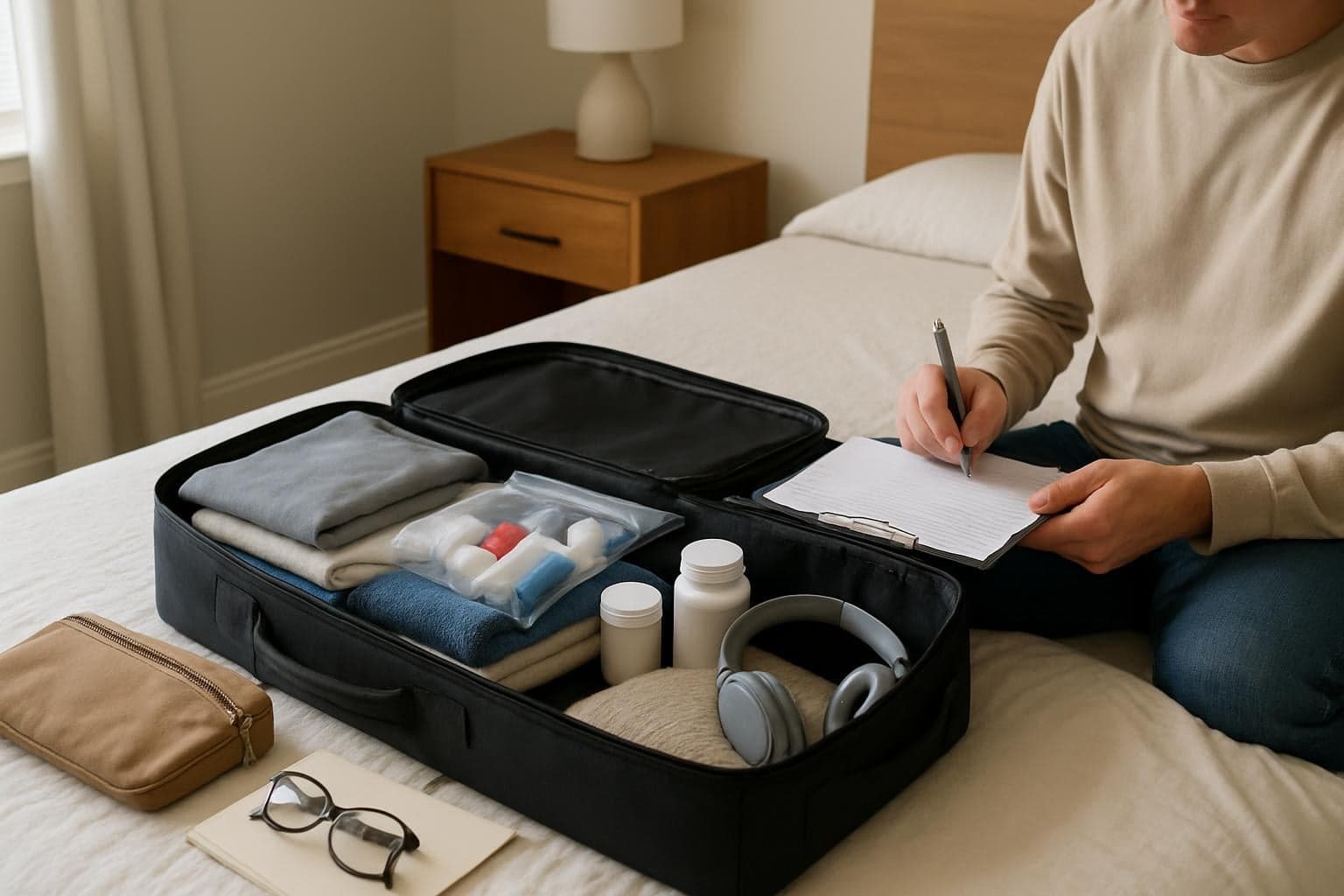
What to Pack for Rehab: Complete Checklist
Preparing for residential treatment can feel overwhelming, especially when different programs have different rules. A simple rehab packing list can make admission day calmer and he…

Sober Living Homes: What They Are & How to Choose One
A sober living home is a substance-free shared residence where people can build stability, routines, and supportive relationships during recovery. It can provide a practical bridge…

How to Stage an Intervention: Step-by-Step Guide
When someone you care about is living with addiction, it is natural to want one conversation that changes everything. An intervention can create an opportunity to accept help, but…