
What to Expect on Your First Day of Rehab

The first day of rehab can feel like stepping into the unknown. You may be worried about what staff will ask, whether you can contact home, what happens to your belongings, or how quickly therapy begins. Although procedures differ between treatment centres, day one is generally focused on helping you settle in, assessing your immediate needs, and creating a safe starting point for care.
You are not expected to arrive feeling completely confident or ready to tell your whole story. Staff understand that people may be tired, frightened, uncertain, or experiencing withdrawal. This guide explains what to expect at rehab from arrival through the first evening—and how the first day of rehab usually leads into the more structured routine of the first week of rehab.
Before you arrive: what to know and prepare
Preparation can make arrival feel more manageable. SAMHSA recommends asking an inpatient program in advance what you may bring, particularly regarding prescribed medication, food, phones, and tobacco products. Bring identification and insurance information if available, along with the documents requested by the admissions team. If you are uncertain about clothing, toiletries, or prohibited items, use our What to Pack for Rehab: Complete Checklist and confirm every item directly with the centre.
A simple pre-arrival checklist
- Confirm your admission date, arrival time, address, and transportation plan
- Bring identification, insurance information, and any requested admission paperwork
- Prepare an accurate list of prescribed medication, over-the-counter products, supplements, allergies, and medical conditions
- Ask how existing prescriptions should be transported; do not repackage or conceal medication
- Write down emergency contacts and important phone numbers in case your device is stored
- Confirm rules concerning phones, tobacco or nicotine products, toiletries, valuables, and outside food
- Arrange responsibilities such as childcare, pet care, work leave, and bill payments where possible
Tell the admissions or clinical team if you have recently used alcohol, opioids, benzodiazepines, stimulants, or other substances. Do not delay or alter your use solely to meet an arrival time without medical advice. If you are still comparing facilities, the questions in How to Choose a Rehab Center: 10 Questions to Ask can help you check clinical credentials, detox capability, costs, and aftercare before admission. You may also wish to complete How to Verify Your Insurance Benefits for Rehab before travelling.
Check-in and intake assessment
On arrival, you will usually meet an admissions coordinator, nurse, counsellor, or another member of the care team. Check-in commonly involves confirming your identity and payment details, reviewing consent and privacy forms, and documenting your belongings. Staff may explain what information can be shared, who may receive updates, and how to withdraw or change communication permissions.
The intake assessment helps the team understand what support may be appropriate. Expect questions about the substances you use, when you last used them, typical amounts and frequency, previous withdrawal experiences, past treatment, physical health, mental health, medication, living situation, relationships, work, and current safety concerns. SAMHSA and the National Institute on Drug Abuse both emphasize that treatment should respond to the individual rather than use one identical plan for everyone.
- Answer as honestly as you can, including about substances that were not mentioned during the initial admissions call
- Tell staff about previous seizures, overdoses, severe withdrawal, self-harm, suicidal thoughts, pregnancy, chronic illness, or recent injuries
- Ask for clarification before signing anything you do not understand
- Request language, disability, cultural, dietary, or religious accommodations as early as possible
Some questions may feel personal, but their purpose is to guide safe, individualized care. You can ask why information is needed or request a short break if the process becomes overwhelming. For a broader explanation of how assessment connects with treatment planning, see What Is Rehab? A Complete Guide to Addiction Treatment.
Medical evaluation and possible detox screening
A clinical or medical assessment may take place during intake or shortly afterward. Depending on the program and your needs, staff may check vital signs, current symptoms, medication history, sleep, nutrition, pain, pregnancy status, mental state, and risk of withdrawal. Testing may include breath, urine, blood, or other screening when clinically indicated and permitted by the program's policies.
If you may be physically dependent on a substance, the team will decide whether you can safely join the main residential program immediately or need withdrawal management first. Detox and rehabilitation are connected but distinct parts of care: detox focuses on managing intoxication and withdrawal, while ongoing treatment addresses behavioural, psychological, medical, and social needs. The appropriate setting can range from monitored outpatient support to medically managed inpatient care, as explained in Levels of Care in Addiction Treatment: Detox to Aftercare.
Do not hide possible withdrawal symptoms
Alcohol withdrawal can become life-threatening, and the FDA warns that abruptly stopping or rapidly reducing benzodiazepines can also cause severe reactions, including seizures. Tell the clinical team exactly what you have taken and when. Do not start, stop, share, or change medication without guidance from a qualified clinician. Severe confusion, hallucinations, seizures, collapse, breathing difficulty, or inability to stay awake requires urgent medical attention.
Being referred to detox does not mean you have failed admission. It means the team is prioritizing immediate safety before expecting you to participate fully in counselling. The guides Medical Detox: What to Expect and Withdrawal Symptoms & Timelines by Substance provide more detail, but your own risk must be assessed by a doctor or qualified clinical team.
Room, orientation, house rules, and phone/device policy
Once immediate assessments are complete, a staff member may show you your room and the main areas of the facility. Depending on the centre, you might have a private room, share with another resident, or temporarily stay near nursing staff. You may receive bedding, a daily schedule, meal information, and instructions for requesting medical or emotional support overnight.
Orientation usually covers boundaries designed to support safety and privacy. These may include attendance expectations, medication administration, prohibited items, smoking or nicotine areas, dress standards, room access, relationships between residents, quiet hours, visitor procedures, and rules against bringing substances onto the property. Ask what happens if a rule is broken; reputable programs should explain both expectations and consequences clearly.
- Phones may be stored temporarily, permitted only during designated hours, or allowed with restrictions
- Photography and recording are commonly restricted to protect other residents' privacy
- Laptops, smartwatches, tablets, and gaming devices may be treated differently from basic phones
- Urgent work, childcare, legal, or family responsibilities should be discussed with staff rather than handled secretly
- Prescribed medication is often reviewed and managed by clinical staff instead of being kept in the bedroom
Device policy is not the same everywhere, so confirm it before admission rather than relying on another person's experience. A short period without unrestricted phone access can feel uncomfortable, but staff should explain how you can make necessary calls and how loved ones can reach the centre in an emergency.
First therapy session or group introduction
Your first clinical contact may be a brief meeting with a primary counsellor, an introductory group, or simply a check-in with staff. A full therapy session is not guaranteed on day one, especially if intake takes several hours or you are unwell. The immediate goal may be to introduce the program, identify urgent concerns, and help you make it through the first evening safely.
If you attend a group, you may be invited to introduce yourself, but you should not normally be expected to disclose every detail of your history immediately. Listening is still participation. Staff may explain confidentiality within the group, respectful communication, and how to step out or seek support if a discussion becomes triggering.
Over the first week of rehab, your schedule may expand to include individual counselling, psychoeducation, group work, medical appointments, recovery planning, recreation, and peer-support meetings. Approaches differ, but they may include methods described in Types of Therapy Used in Addiction Treatment or Cognitive Behavioral Therapy (CBT) for Addiction. If addiction occurs alongside anxiety, depression, trauma, or another psychiatric condition, ask how the centre assesses and treats Co-Occurring Disorders: Addiction & Mental Health.
Common day-one emotions: fear, relief, and doubt
There is no correct way to feel on your first day of rehab. SAMHSA notes that worry about beginning treatment is normal. Some people feel immediate relief because they are finally somewhere safe; others feel grief, anger, shame, numbness, homesickness, or a powerful urge to leave. Several conflicting emotions can occur at once.
- Fear about withdrawal, therapy, other residents, or losing control of daily routines
- Relief that you no longer have to manage the situation alone
- Doubt about whether treatment will work or whether your difficulties are serious enough
- Guilt about responsibilities or relationships outside the centre
- Exhaustion after travel, poor sleep, prolonged stress, or recent substance use
- Hope that may feel unfamiliar or difficult to trust
Tell a staff member if your distress is rising. They may help you focus on the next meal, meeting, medication check, or hour rather than the entire admission. If you feel unsafe, think you may harm yourself or someone else, or feel compelled to leave to use substances, say so directly. Asking for immediate support is useful clinical information, not disruptive behaviour.
What family members can expect from the contact policy
Families may not receive an immediate detailed update after admission. Staff first need to complete intake, attend to medical needs, and follow the patient's communication choices. In the United States, qualifying substance use disorder treatment records receive federal confidentiality protections under 42 CFR Part 2. In general, a program cannot freely discuss a person's admission, condition, or treatment with relatives simply because they call.
The patient may be asked to sign a release identifying who can receive information and what may be shared. Permission to confirm safe arrival is not necessarily permission to discuss diagnoses, medication, therapy, or progress. Rules differ by country, patient age, legal status, and program, so families should ask the admissions team what consent forms and contact arrangements apply.
- Ask in advance whether the patient can call on arrival and how long intake usually takes
- Obtain the main facility number, approved calling times, and the procedure for genuine emergencies
- Avoid repeatedly calling during assessment unless staff have requested information
- Prepare a concise medication, medical, or safety history if the patient has authorized you to provide it
- Expect family sessions or education to be scheduled later rather than automatically on the first day
Family involvement can be valuable, but it should respect the patient's privacy and clinical needs. Loved ones can use the waiting period to rest, learn about the treatment process, and review How to Help a Loved One Get Into Rehab. Contact the admissions team if you are unsure whether essential medical information has reached the clinicians.
Explore Rehabs by Location
Related Reading
Frequently Asked Questions
Possibly, but each centre sets its own device policy. Some allow phones throughout treatment, some limit use to certain hours, and others store devices during the first few days or for the entire residential stay. Ask specifically about smartphones, laptops, tablets, smartwatches, chargers, cameras, and work-related access before packing. Write important numbers on paper in case your phone is stored. If you have urgent childcare, legal, medical, or employment responsibilities, discuss them with admissions staff so an appropriate communication plan can be arranged.
Related Articles
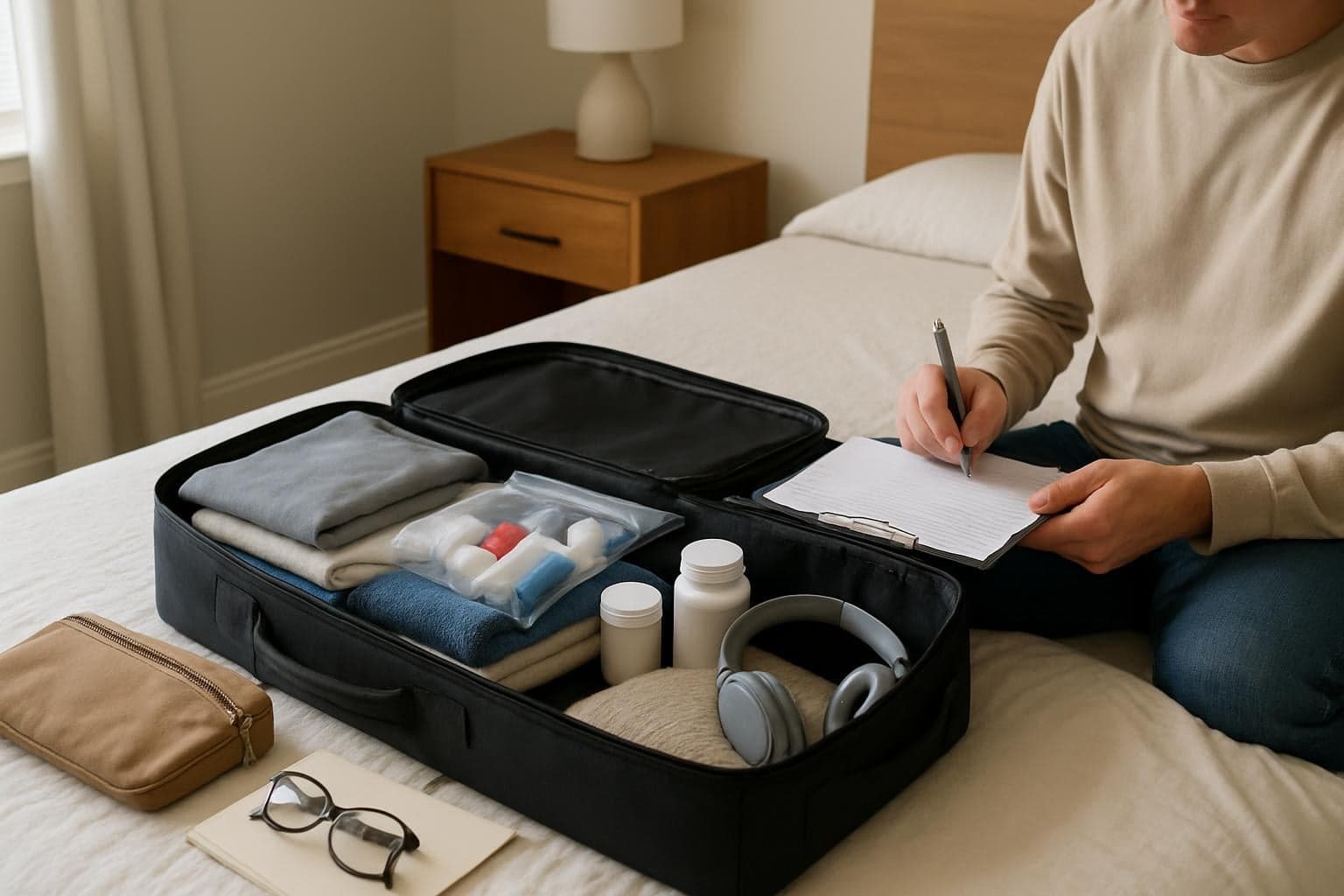
What to Pack for Rehab: Complete Checklist
Preparing for residential treatment can feel overwhelming, especially when different programs have different rules. A simple rehab packing list can make admission day calmer and he…

Sober Living Homes: What They Are & How to Choose One
A sober living home is a substance-free shared residence where people can build stability, routines, and supportive relationships during recovery. It can provide a practical bridge…

How to Stage an Intervention: Step-by-Step Guide
When someone you care about is living with addiction, it is natural to want one conversation that changes everything. An intervention can create an opportunity to accept help, but…