
What to Pack for Rehab: Complete Checklist
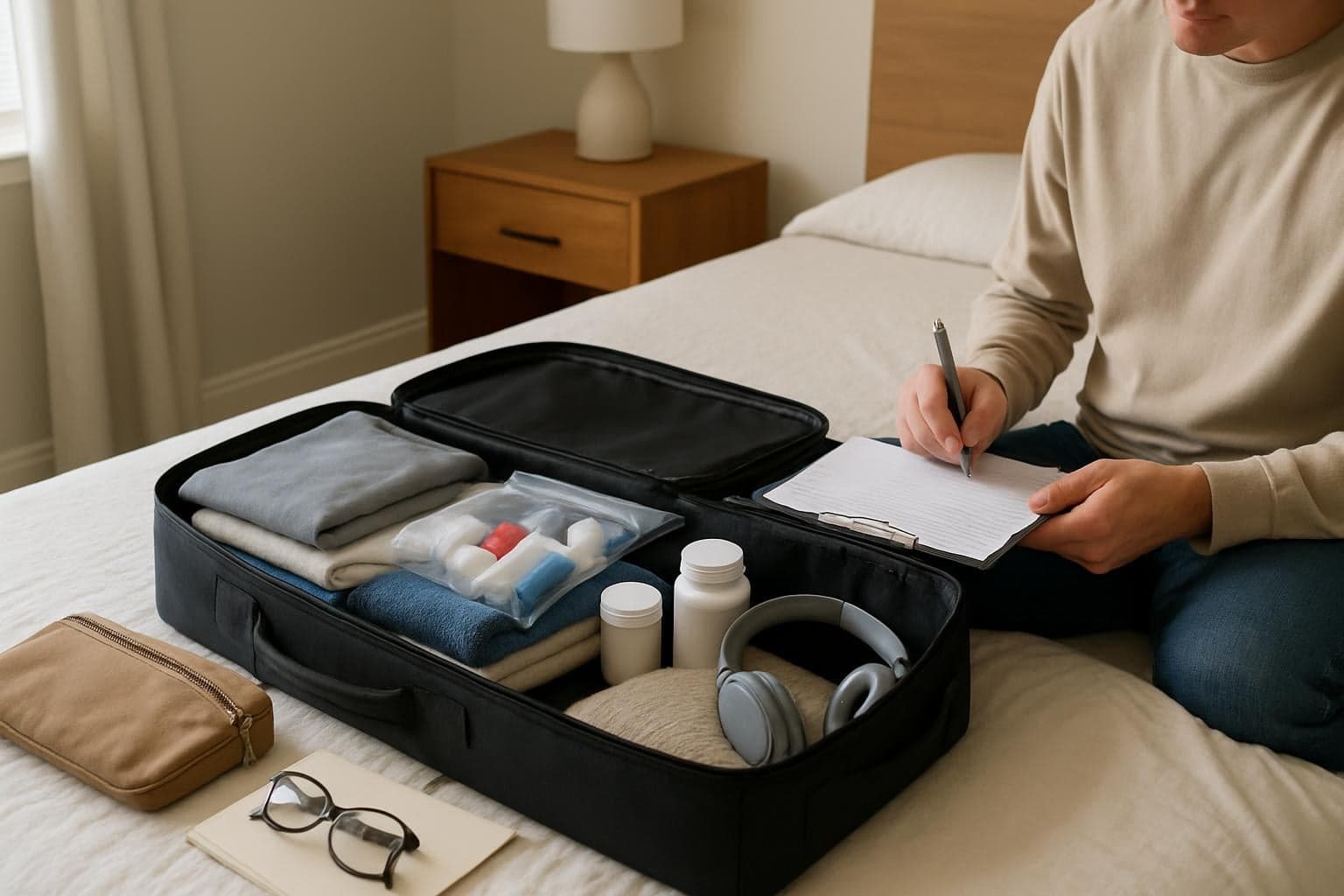
Preparing for residential treatment can feel overwhelming, especially when different programs have different rules. A simple rehab packing list can make admission day calmer and help you arrive with the essentials rather than an overfilled suitcase.
Read more: What Is Rehab?
The most important first step is to request the facility’s current written packing policy. SAMHSA advises people entering inpatient treatment to confirm rules concerning medication, food, phones and tobacco products before arrival. Individual facilities may also limit quantities, container types and particular clothing or personal-care products.
Use the checklist below as a practical starting point, then compare every item with the instructions supplied by your admissions team.
1. Clothing and personal-care essentials
When deciding what to pack for rehab, choose comfortable, washable clothing suitable for therapy sessions, recreation and quiet time. Pack enough for the period recommended by the facility rather than trying to bring your entire wardrobe. Many packing policies recommend practical clothes, sleepwear, undergarments, seasonally appropriate outerwear and shoes suitable for recreation.
- Comfortable T-shirts, modest tops and casual trousers or jeans
- Sweatpants, exercise clothing or other items suitable for recreational activities
- Underwear, socks and sleepwear
- A sweatshirt, cardigan or other layer for cooler rooms
- A coat, rainwear, hat or other seasonal clothing, if needed
- Comfortable everyday shoes, athletic shoes and shower shoes
- Laundry bag and laundry supplies, but only if the facility asks you to provide them
For personal care, think basic and low-risk: a toothbrush, toothpaste, shampoo, conditioner, soap, lotion, comb or brush, menstrual products and approved deodorant. Treatment centres commonly restrict aerosols, glass packaging, flammable products and toiletries containing alcohol, but the exact ingredient and packaging rules vary. Some programs also require toiletries to be new or unopened.
- Check whether deodorant, hairspray and shaving products must be non-aerosol
- Choose plastic containers unless the centre specifically permits glass
- Ask before bringing razors, nail clippers, tweezers, hair tools or cosmetics
- Bring glasses, contact lenses and approved lens-care products if you use them
- Leave expensive clothing, jewellery and irreplaceable accessories at home
2. Documents and medications to bring
Correct paperwork can help the intake team verify your identity, coverage and care information. SAMHSA recommends bringing identification and an insurance card, if applicable, when entering inpatient treatment. Your centre may request additional documents based on your referral, payment arrangements or legal circumstances. Read more: Does Insurance Cover Rehab?
- Government-issued photo ID
- Health insurance and pharmacy-benefit cards, if applicable
- Admission or referral paperwork supplied by the centre
- Emergency-contact names and telephone numbers written on paper
- Relevant legal, leave-of-absence or payment documents requested in advance
- A list of your doctors, pharmacies and current medical conditions
Tell admissions about every prescription medicine, over-the-counter product, vitamin and supplement you use. Facilities commonly instruct patients to bring approved prescriptions in their original pharmacy-labelled containers, along with a current medication list showing the name, dose and instructions. Staff may secure and administer medication rather than allowing it to remain in your room.
Do not change medication on your own
Packing rules are not instructions to stop treatment. Do not skip, discontinue, combine or conceal medication to meet a facility policy. Ask admissions how to handle each prescription and speak with your prescriber or clinical team before making any medication change. SAMHSA specifically advises consulting a doctor before discontinuing medications used for opioid use disorder. Read more: Levels of Care in Addiction Treatment
3. Allowed comfort items
A few familiar items may make an unfamiliar environment feel more manageable. Many programs permit simple, non-electronic comfort items, although staff may inspect belongings during admission. Journals, suitable books and photographs are included on several treatment-centre packing lists.
- A journal or notebook for reflections, assignments and questions
- A small number of paperback books or approved recovery-related reading
- Printed photographs of supportive people, pets or meaningful places
- A paper address book or written list of important telephone numbers
- Approved spiritual or faith materials
- Stationery, envelopes and stamps if letter writing is allowed
- A simple non-smart watch, if permitted
- A refillable plastic water bottle, if included on the centre’s approved list
Ask before packing blankets, pillows, stuffed animals, art supplies, musical instruments, food or anything with sentimental value. Even harmless items may be limited because of space, hygiene, dietary needs or the program’s safety procedures. If an item would be difficult or upsetting to lose, it is usually better left with someone you trust.
4. What NOT to bring: prohibited items list
Understanding what not to bring to rehab is just as important as packing the essentials. Prohibited belongings are generally secured, returned to the person who brought you or stored until discharge, depending on the centre’s procedures. Bags may be inspected during admission, so disclose anything you are unsure about rather than hiding it.
Never pack substances or dangerous objects
Do not bring alcohol, non-prescribed drugs, drug paraphernalia, weapons or other items that could endanger you or someone else. If you are concerned about withdrawal, intoxication or an urgent medical issue before admission, contact the centre’s clinical team or seek emergency medical care rather than trying to manage it with substances packed from home.
- Alcohol, cannabis where prohibited, illicit drugs or non-prescribed controlled substances
- Medication that has not been disclosed or approved
- Weapons, knives, scissors and other sharp objects
- Lighters, matches, candles, incense and other ignition sources
- Aerosol cans, flammable liquids and toiletries containing prohibited ingredients
- Glass containers or mirrors
- Opened food, drinks, supplements or vitamins unless specifically authorised
- Pornographic, threatening or substance-promoting material
- Large amounts of cash, expensive jewellery and irreplaceable valuables
- Clothing displaying drug, alcohol, violent or offensive imagery where restricted by the dress code
Phones, laptops, tablets, smartwatches, cameras, recording devices, headphones and gaming systems require special attention. Some centres prohibit personal electronics, while others store them or permit limited use at designated times. Do not assume that bringing a device means you will be able to access it during treatment.
5. Why this varies by facility — always confirm with admissions
There is no single rehab packing list that applies to every treatment setting. Rules may reflect the age group served, the level of medical or psychiatric support, the physical environment and the centre’s approach to communication and daily schedules. For example, one program may allow a phone at scheduled times while another may secure all internet-enabled devices. Current published facility lists also differ on toiletries, razors, nicotine products, clothing quantities and medication handling. Read more: How to Help a Loved One Get Into Rehab
Questions to ask the admissions team
- Can you email or text me the latest approved and prohibited items list?
- How many days of clothing should I pack, and is laundry available?
- Must toiletries be unopened, alcohol-free, non-aerosol or packaged in plastic?
- How should I bring prescription medication, supplements and medical devices?
- Are phones, laptops, tablets, e-readers, headphones or smartwatches allowed?
- Can I bring photographs, books, a journal, bedding or a comfort item?
- Are there clothing rules concerning drawstrings, belts, shoelaces or underwire?
- What happens if I arrive with an item that is not permitted?
- Do you provide basic toiletries or replacement clothing when needed?
If written guidance conflicts with something you were told by phone, ask admissions to clarify before you travel. Policies can be updated, and rules for a detox unit may differ from those for a longer residential program at the same organisation.
6. Printable checklist
Print or save this streamlined checklist, then cross out anything prohibited by your chosen facility. Pack lightly, label your belongings if requested and keep essential documents together for admission.
Documents and health information
- Current facility packing instructions
- Government-issued photo ID
- Insurance and pharmacy cards, if applicable
- Admission, referral or payment paperwork
- Written emergency-contact list
- Current medication and supplement list
- Prescriber and pharmacy contact details
- Approved prescriptions in original labelled containers
Clothing and personal care
- Comfortable everyday outfits
- Exercise or recreation clothing
- Underwear, socks and sleepwear
- Weather-appropriate outerwear
- Everyday, athletic and shower footwear
- Approved toothbrush, toothpaste and toiletries
- Approved grooming and menstrual-care products
- Glasses or contact-lens supplies
- Laundry bag or supplies, if requested
Optional approved items
- Journal or notebook
- Paperback books
- Printed photographs
- Spiritual or faith materials
- Stationery and stamps
- Non-smart watch
- Plastic refillable water bottle
- Approved comfort item
Final check before leaving
- Removed alcohol, drugs and unapproved medication
- Removed weapons, sharp objects and ignition sources
- Checked all toiletries for aerosols, glass and prohibited ingredients
- Left expensive and irreplaceable valuables at home
- Confirmed the electronics and communication policy
- Asked admissions about every uncertain item
- Confirmed arrival time, address and transportation arrangements
Explore Rehabs by Location
Related Reading
Frequently Asked Questions
Usually, but you must confirm the process with admissions before arrival. Many facilities ask you to bring approved prescriptions in their original pharmacy-labelled containers and provide a complete medication list with doses and instructions. Medication is commonly handed to staff for review, secure storage and administration. Do not place different medicines in one container or stop taking a prescription to comply with packing rules; consult your prescriber or the facility’s clinical team first.
Related Articles

Sober Living Homes: What They Are & How to Choose One
A sober living home is a substance-free shared residence where people can build stability, routines, and supportive relationships during recovery. It can provide a practical bridge…

How to Stage an Intervention: Step-by-Step Guide
When someone you care about is living with addiction, it is natural to want one conversation that changes everything. An intervention can create an opportunity to accept help, but…

Building or Renovating a Treatment Facility: A Construction Law Primer for Rehab Providers
Opening a new treatment centre, adding a detox wing, or renovating an existing facility all start the same way: with a building contract. For a healthcare-type facility that client…