
Fentanyl Addiction: What You Need to Know
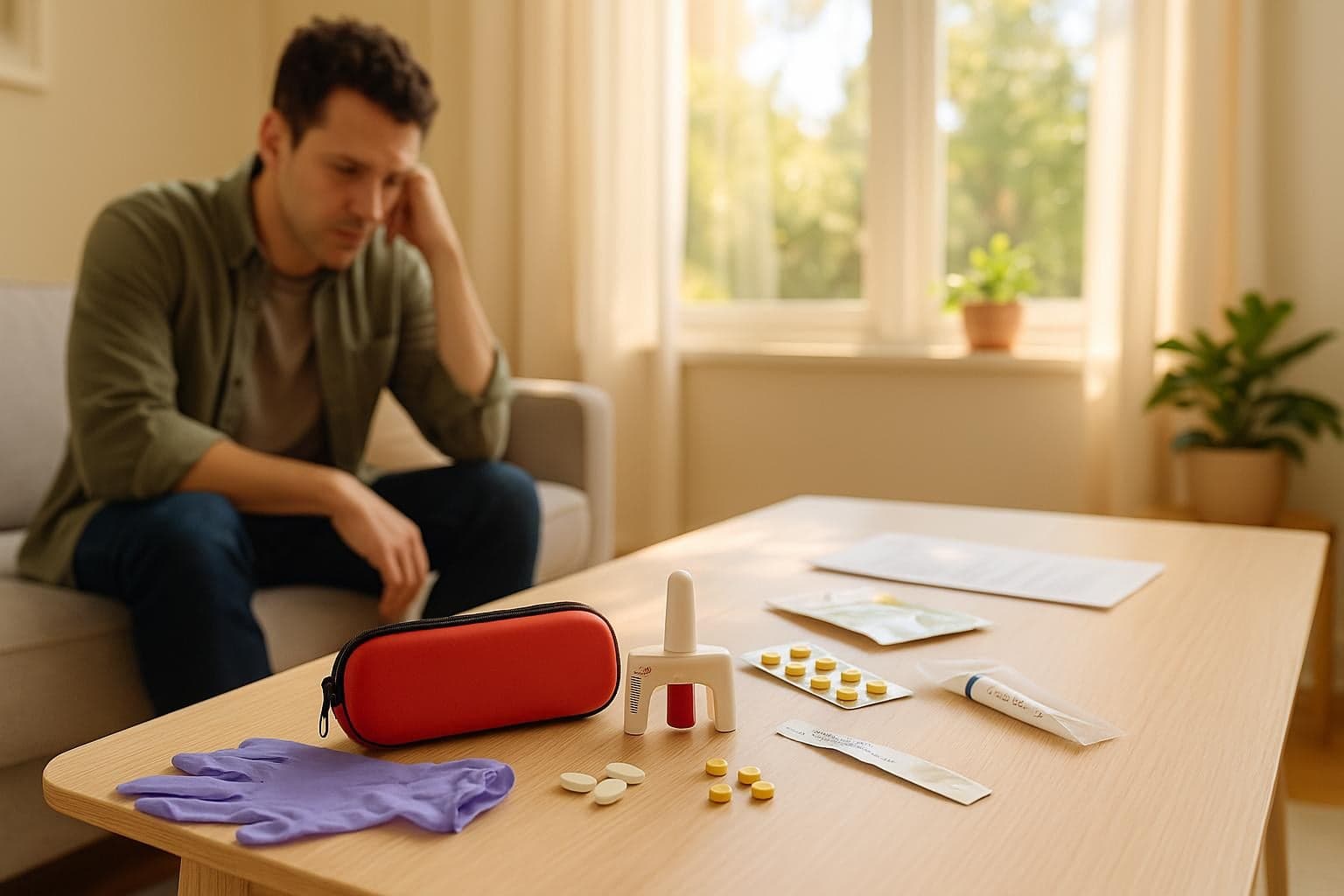
Fentanyl addiction is a form of opioid use disorder involving one of the most potent opioids in the current drug supply. It can develop after repeated use of illegally made fentanyl, misuse of prescribed fentanyl or exposure to fentanyl mixed into another substance. Because fentanyl can suppress breathing quickly, recognizing overdose and having naloxone available are central parts of staying safe while seeking treatment.
The scale of harm remains serious even as United States overdose deaths decline. Final CDC data recorded 47,735 deaths involving synthetic opioids other than methadone in 2024. This category includes fentanyl, fentanyl analogues and tramadol, so it is not a fentanyl-only count. Understanding the risk is not about blaming people who use drugs; it is about responding to an unpredictable supply with practical information, effective treatment and compassion.
If fentanyl use is affecting you or someone close to you, recovery is possible. Treatment may involve medication for opioid use disorder, medical management of fentanyl withdrawal, counselling and continuing support. The wider Types of Addiction: A Complete Guide explains how substance use disorders can affect behaviour, health and daily life.
What fentanyl is and why it is uniquely dangerous
Fentanyl is a synthetic opioid. Pharmaceutical fentanyl is used under medical supervision for purposes such as surgery and severe pain, while illegally made fentanyl is produced for the unregulated drug market. According to the CDC, pharmaceutical fentanyl is approximately 50 to 100 times more potent than morphine. Potency does not mean that every exposure causes an overdose, but it means a small difference in dose can have major effects on breathing and consciousness.
Much of the current danger comes from illegally made fentanyl being sold as a powder, mixed with substances such as heroin, cocaine or methamphetamine, or pressed into counterfeit tablets that resemble prescription medication. A person may therefore take fentanyl without knowing it. It cannot reliably be identified by appearance, taste or smell, and the amount may be unevenly distributed within the same batch. Risk rises further when opioids are combined with alcohol, benzodiazepines or other sedating substances because their effects on alertness and breathing can compound one another.
Signs of fentanyl use and addiction
Recent fentanyl use may cause extreme drowsiness, confusion, nausea, constipation, very small pupils and slowed breathing. These effects can overlap with other health conditions, so no single physical sign proves that someone has used fentanyl. Sudden unresponsiveness or abnormal breathing should be treated as a possible overdose rather than as ordinary sleep.
Addiction is more than physical dependence. Dependence means the body has adapted to an opioid and withdrawal may occur when use stops. Opioid use disorder involves a problematic pattern that causes distress, loss of control or disruption to everyday life. A clinician can assess symptoms without relying on assumptions about appearance, employment, housing or family circumstances.
- Using more fentanyl or other opioids than intended, or being unable to reduce use despite wanting to stop
- Strong cravings or spending substantial time obtaining, using or recovering from opioids
- Continuing to use despite worsening physical health, mental health, relationships, work, education or finances
- Giving up responsibilities, interests or social activities because of opioid use
- Using in hazardous situations or continuing after an overdose
- Needing more of an opioid to obtain a similar effect, which may indicate tolerance
- Experiencing fentanyl withdrawal or using again primarily to avoid feeling sick
- Periods of unusual sedation, constricted pupils, secretive behaviour or repeated unexplained absences
Approach these signs with curiosity rather than confrontation. Calmly describe what you have noticed, ask whether the person feels safe and offer help finding a clinical assessment. The guide to How to Help a Loved One Get Into Rehab covers supportive conversations and treatment planning in more detail.
Overdose risk and naloxone: critical safety information
Treat suspected overdose as an emergency
Fentanyl overdose can stop breathing and become fatal quickly. If a person cannot be awakened, is breathing slowly or not at all, or is making choking, gurgling or unusual snoring sounds, give naloxone if available and call emergency services immediately. In the United States, call 911; elsewhere, use the local emergency number. Do not leave the person alone, even if they wake up after naloxone.
Common fentanyl overdose signs include unconsciousness, inability to respond to voice or touch, a limp body, slow or shallow breathing, choking or gurgling sounds, pale or clammy skin, blue or discoloured lips or nails, and pinpoint pupils that do not react normally to light. Not every sign will be present. CDC guidance recommends treating the situation as an overdose when there is uncertainty, because delaying the response can cost critical time.
What to do during a suspected fentanyl overdose
- Check whether the person responds when you speak loudly and apply firm stimulation while keeping the scene safe.
- Call emergency services and clearly state that the person is unresponsive or not breathing normally.
- Give one dose of naloxone immediately, following the instructions supplied with the nasal spray or injectable product.
- Begin rescue breathing or CPR if advised by the emergency dispatcher or if you are trained to do so.
- If normal breathing does not return, give another naloxone dose after two to three minutes when another dose is available.
- Place the person on their side to reduce choking risk if they are breathing but remain unconscious.
- Stay with them and continue monitoring breathing until emergency professionals take over.
Naloxone temporarily blocks opioid effects and can restore breathing during an opioid overdose. More than one dose may be needed, particularly with fentanyl, and the person can become unresponsive again as naloxone wears off. It does not replace emergency medical care. Naloxone may trigger abrupt withdrawal in someone who is opioid-dependent, but this possibility should not delay its use during a life-threatening overdose.
Treatment considerations specific to fentanyl
Fentanyl withdrawal may involve anxiety, agitation, sweating, yawning, runny nose, insomnia, muscle and bone pain, abdominal cramps, nausea, vomiting, diarrhoea, goosebumps and intense cravings. Opioid withdrawal is generally not life-threatening in otherwise medically stable adults, but dehydration, pregnancy, co-occurring illness, use of multiple substances and a rapid return to opioids can create serious risks. Tolerance can fall during abstinence, raising overdose risk if a person returns to a previously used amount. Anyone considering stopping fentanyl should discuss the safest setting with a doctor, detox service or admissions and clinical team.
Detoxification manages the immediate withdrawal period, but detox alone does not address the ongoing features of opioid use disorder. A comprehensive plan may include medication, individual or group therapy, mental health care, peer support, relapse-prevention planning and naloxone. Depending on medical and social needs, care may take place in outpatient treatment, a residential programme or a medically supported detox unit. See Withdrawal Symptoms & Timelines by Substance and Levels of Care in Addiction Treatment: Detox to Aftercare for further context.
Buprenorphine
- A partial opioid agonist that can reduce withdrawal symptoms and cravings.
- Starting it too soon after fentanyl may cause sudden precipitated withdrawal, although research suggests the likelihood varies by setting and initiation method.
- Clinicians may use standard, high-dose or low-dose initiation strategies according to the patient's condition and local protocols.
Methadone
- A full opioid agonist used to treat opioid use disorder and reduce withdrawal and cravings.
- It does not require a person to enter withdrawal before the first dose in the same way as a traditional buprenorphine initiation.
- Doses must be increased and monitored carefully because methadone itself can cause sedation, breathing suppression and dangerous interactions.
Naltrexone
- An opioid antagonist that blocks opioid effects and does not cause opioid dependence.
- A person must complete an adequate opioid-free period before starting it, making withdrawal management an important barrier for some patients.
- It may suit people who prefer a non-opioid medication and can safely complete the required preparation period.
There is no universal medication dose for people exposed to fentanyl. ASAM clinical considerations note that some patients using high-potency synthetic opioids may need higher buprenorphine doses to stabilise than were historically common; doses in the 24–32 mg daily range or extended-release formulations may be considered by qualified clinicians in selected cases. This is clinical guidance, not a self-dosing recommendation. Medication type, timing and dose should be decided with a prescriber who can evaluate withdrawal severity, tolerance, other medications, pregnancy, breathing conditions and substance use. Treatment may also incorporate approaches described in Types of Therapy Used in Addiction Treatment.
When comparing programmes, ask whether the service offers or coordinates all evidence-based medications for opioid use disorder, has experience with fentanyl-specific initiation challenges and provides continuing care after detox. The guides What Is Rehab? A Complete Guide to Addiction Treatment and How to Choose a Rehab Center: 10 Questions to Ask can help families evaluate these services.
Harm-reduction basics: test strips and naloxone access
Harm reduction provides practical ways to reduce injury and death without requiring someone to be ready for abstinence or formal treatment. It can operate alongside treatment rather than in opposition to it. Because the unregulated supply changes rapidly, no measure makes drug use completely safe, but combining several precautions can lower risk.
Steps that can reduce fentanyl-related harm
- Carry multiple doses of naloxone and make sure people nearby know where it is and how to use it.
- Obtain naloxone through a pharmacy, public health department, community distribution service or harm-reduction organisation. In the United States, FDA-approved nasal naloxone products are available over the counter, while access arrangements differ in other countries.
- Use fentanyl test strips according to their instructions when they are available. The CDC reports that results are typically produced within about five minutes.
- Remember that a negative test does not guarantee safety. Strips can miss fentanyl analogues, sampling may not detect uneven distribution, and incorrect dilution can affect results.
- Avoid using alone. Have someone present who can give naloxone and contact emergency services, or use an overdose-monitoring service where one operates.
- Avoid mixing opioids with alcohol, benzodiazepines or other sedating drugs.
- Use a small test amount and wait before taking more, while recognising that uneven fentanyl distribution still makes dose effects unpredictable.
- Keep naloxone visible and accessible rather than inside a locked or difficult-to-reach container.
- Seek medical review after any overdose and consider treatment options even if previous treatment attempts have not worked.
In the United States, the FDA first approved a naloxone nasal spray for over-the-counter sale in March 2023, and community programmes may provide it at low or no cost. Availability, product type and local rules vary internationally, so a pharmacist, public health service or treatment centre can explain local options. Cost should also be discussed early; Does Insurance Cover Rehab? Complete Guide outlines questions to ask about treatment benefits and medication coverage.
Treatment remains worthwhile after relapse or overdose
An overdose or return to fentanyl use does not mean treatment has failed or that recovery is out of reach. Opioid use disorder is treatable, and plans can be adjusted when a medication, programme or level of support has not met a person's needs. Re-engaging with care quickly is especially important after abstinence because reduced tolerance can increase overdose risk.
Explore Rehabs by Location
Related Reading
Frequently Asked Questions
Suspect a fentanyl overdose if someone cannot be awakened, has stopped breathing or is breathing very slowly or shallowly, makes choking or gurgling sounds, has blue or discoloured lips or nails, has a limp body or has pinpoint pupils. Not every sign will appear. Give naloxone immediately if it is available, call emergency services, provide rescue breathing or CPR if trained or instructed, place the person on their side when appropriate and stay with them. Give another naloxone dose after two to three minutes if they do not respond and another dose is available.
Related Articles

Behavioral Addictions: Gambling, Gaming & More
Behavioral addictions involve repeated activities that become difficult to control and continue despite meaningful harm. Gambling is the clearest clinically recognized example, but…

Opioid Addiction: Signs, Symptoms & Treatment
Opioid addiction can develop through prescription pain medicines, heroin, illicitly manufactured fentanyl, or other opioids. It is not a moral failing or a lack of willpower. Clini…
Withdrawal Symptoms & Timelines by Substance
A withdrawal timeline estimates when symptoms may begin, become most intense and start to ease after someone reduces or stops a substance. It is a planning tool rather than a count…