
Opioid Addiction: Signs, Symptoms & Treatment

Opioid addiction can develop through prescription pain medicines, heroin, illicitly manufactured fentanyl, or other opioids. It is not a moral failing or a lack of willpower. Clinically, the condition is usually called opioid use disorder, or OUD: a treatable health condition in which opioid use causes significant distress, health risks, or disruption to everyday life.
Effective opioid addiction treatment goes beyond getting through withdrawal. For many people, the safest plan includes medication-assisted treatment, ongoing clinical care, overdose prevention, and support for mental health and practical recovery needs. The right combination depends on the opioids involved, current health, previous treatment experiences, personal preferences, and the support available at home.
What opioid use disorder is: prescription vs. illicit sources
Opioids are a broad class of natural, semi-synthetic, and synthetic drugs that act on opioid receptors. They include prescription medicines such as oxycodone, hydrocodone, morphine, and codeine, as well as heroin and illicitly manufactured fentanyl. Some prescription opioids have legitimate medical uses for pain, but opioid use disorder can develop whether exposure began with a prescription or through non-medical drug use.
OUD is diagnosed from a pattern of symptoms rather than from the identity or legal status of the opioid. According to the CDC's plain-language adaptation of DSM-5 criteria, a clinician looks for at least two relevant symptoms within a 12-month period. These may include taking more than intended, being unable to cut down, experiencing strong cravings, spending substantial time obtaining or recovering from opioids, continuing despite harm, or giving up important activities. Severity is classified as mild, moderate, or severe according to the number of criteria present.
Physical dependence and tolerance are not automatically the same as addiction. Someone taking an opioid exactly as directed may develop withdrawal if it is stopped suddenly, yet not meet the criteria for OUD. Conversely, a person may have serious opioid-related problems even when their daily dose does not appear high. A confidential assessment by a qualified clinician is the appropriate way to distinguish expected physical adaptation, misuse, and opioid use disorder. The wider Types of Addiction: A Complete Guide explains how substance use conditions are assessed across different drug categories.
Prescription opioid pathway
- May begin with treatment for acute or chronic pain
- Warning signs can include taking doses earlier than prescribed, using someone else's medicine, or repeatedly seeking extra supplies
- Care may require coordinated pain management as well as OUD treatment
Illicit opioid pathway
- May involve heroin, illicit fentanyl, or pills obtained outside a regulated pharmacy
- Drug strength and contents may be unknown, increasing overdose risk
- Treatment should address immediate safety without shame or assumptions about how use began
Language matters
“Opioid addiction” is widely understood, while “opioid use disorder” is the clinical diagnosis. Person-first terms such as “a person with OUD” help keep attention on health and treatment rather than blame.
Signs and symptoms of opioid addiction
The signs of opioid addiction vary considerably. Some people continue working, studying, parenting, or maintaining relationships while their opioid use becomes increasingly difficult to control. Others experience visible changes quickly. No single sign confirms OUD, and several symptoms can also have unrelated medical or psychological causes.

The clearest warning pattern is a combination of impaired control, increasing priority given to opioid use, and continued use despite consequences. A person may genuinely intend to stop or reduce their use but find that cravings, withdrawal, pain, fear, or environmental pressures repeatedly pull them back. Approaching these changes with concern rather than confrontation can make an honest conversation more likely.
- Taking opioids in larger amounts, more frequently, or for longer than intended
- Repeatedly trying to reduce or stop but being unable to maintain the change
- Strong cravings or persistent thoughts about obtaining the next dose
- Needing increasing amounts to achieve a familiar effect, although tolerance alone does not establish OUD
- Feeling unwell when opioid levels fall, with symptoms such as restlessness, sweating, runny nose, yawning, muscle aches, stomach cramps, nausea, vomiting, or diarrhoea
- Unusual drowsiness, slowed movements, constricted pupils, itching, nausea, or difficulty concentrating while intoxicated
- Missing work, school, family responsibilities, appointments, or financial commitments
- Withdrawing from relationships and activities that were previously important
- Continuing opioid use despite worsening health, mood, relationships, finances, or legal problems
- Using in risky circumstances, using alone, or combining opioids with alcohol or sedating medicines
Family members may notice unexplained absences, changing sleep patterns, secrecy, missing medication, unexpected spending, or cycles of drowsiness followed by agitation and flu-like withdrawal symptoms. These observations should prompt a supportive conversation, not an attempt to diagnose someone at home. The Signs You (or a Loved One) Need Rehab: Self-Assessment can help organise concerns before speaking with a doctor or treatment admissions team.
Do not force abrupt withdrawal
Suddenly taking away someone's opioid supply can trigger severe distress and may lead to hurried, riskier drug-seeking. It can also reduce tolerance and increase overdose vulnerability if opioid use resumes. Contact a doctor, addiction service, or admissions team for a medically appropriate plan, particularly during pregnancy or when significant physical or mental health conditions are present.
Opioid overdose risk and warning signs
Opioids can suppress the brain's drive to breathe. During an overdose, breathing may become dangerously slow, shallow, irregular, or stop altogether. Risk increases with potent opioids such as illicitly manufactured fentanyl, unpredictable drug contents, taking more than the body can tolerate, or combining opioids with alcohol, benzodiazepines, or other sedatives.
Tolerance can fall after detoxification, a period of abstinence, hospitalisation, incarceration, or interruption to regular use. Returning to a previously familiar amount may then cause an overdose. People using non-prescribed pills or powders may also be exposed to fentanyl without knowing it. More detail is available in Fentanyl Addiction: What You Need to Know and Overdose Warning Signs.
Treat a suspected overdose as an emergency
Warning signs include being unable to wake the person, very slow or absent breathing, choking or gurgling sounds, a limp body, discoloured lips or nails, and very small “pinpoint” pupils. Call the local emergency number immediately—911 in the United States—and give naloxone if it is available. Do not wait to see whether the person recovers without help.
What to do while emergency help is coming
- Give naloxone promptly and follow the product instructions; additional doses may be needed if the person does not respond
- Support breathing with rescue breaths or CPR if you are trained and follow the emergency dispatcher's directions
- Place the person on their side when they are breathing to reduce the risk of choking
- Stay with the person and continue monitoring breathing and responsiveness
- Tell responders what may have been taken, when it was taken, and how many naloxone doses were given
Naloxone temporarily reverses opioid effects and can restore breathing, but it does not replace emergency medical care. The opioid may remain active longer than the naloxone, allowing overdose symptoms to return. A clinician or treatment team can advise people with OUD and their families about obtaining naloxone, recognising overdose, and reducing risk; availability and dispensing rules differ by country.
Opioid addiction treatment and MAT's central role
A thorough opioid addiction treatment assessment considers the opioid used, route and frequency of use, last dose, withdrawal or intoxication, overdose history, physical health, pregnancy, pain, other substance use, mental health, housing, relationships, and previous treatment. This information helps the team select an appropriate setting using the principles described in Levels of Care in Addiction Treatment: Detox to Aftercare. Some people can begin care as outpatients, while others need residential, hospital, or closely supervised withdrawal support.
Medication-assisted treatment, often shortened to MAT, is central to evidence-based care for OUD. Many health organisations now use “medications for opioid use disorder,” or MOUD, to emphasise that these medicines are treatments in their own right rather than optional additions. The CDC recommends that clinicians offer or arrange medication treatment for OUD, particularly for moderate or severe illness, and advises against detoxification alone because of the risks of returning to use and overdose.
Main medications used to treat opioid use disorder
| Medication | How it works | Important considerations |
|---|---|---|
| Buprenorphine | A partial opioid agonist that reduces withdrawal and cravings and can blunt the effects of other opioids. | It must be started at an appropriate point in withdrawal to avoid precipitated withdrawal. Formulations and prescribing arrangements vary by country. |
| Methadone | A long-acting full opioid agonist that reduces withdrawal and cravings and blocks or blunts the effects of other opioids when appropriately dosed. | It is usually provided through regulated opioid treatment services. Dose initiation and changes require clinical supervision because methadone can cause sedation and respiratory depression. |
| Naltrexone | An opioid antagonist that blocks opioid effects rather than activating opioid receptors. | A person generally needs to be opioid-free before starting it; beginning too soon can trigger severe withdrawal. Adherence and suitability should be discussed with a clinician. |
Medication selection is individual. It may depend on treatment goals, previous response, current tolerance, medical conditions, pregnancy, access, dosing preferences, drug interactions, and whether the person can complete the opioid-free period required before naltrexone. Medication should never be borrowed, adjusted, or stopped without guidance from the prescribing team.
Counselling and behavioural therapies can help people recognise triggers, develop coping strategies, repair relationships, manage stress, and work towards practical goals. Treatment may also include peer support, family involvement with consent, infectious-disease testing, primary care, pain management, housing assistance, and employment support. The Types of Therapy Used in Addiction Treatment guide describes commonly used approaches. However, CDC and ASAM guidance indicates that a lack of available counselling—or a patient's decision not to participate—should not be used to delay medication treatment.
When depression, anxiety, post-traumatic stress, psychosis, or another substance use disorder is also present, an integrated plan may be needed. Dual Diagnosis Treatment Programs Explained covers how addiction and mental health care can be coordinated. The choice between Inpatient vs Outpatient Rehab: Which Is Right for You? should reflect safety and clinical need rather than the assumption that residential treatment is always more effective.
MAT is more than a short detox medicine
Buprenorphine and methadone can be used during withdrawal, but their major role is often ongoing maintenance. The goal is to reduce cravings and withdrawal, improve stability, and lower the risks linked to uncontrolled opioid use. Explore Medication-Assisted Treatment (MAT) for a closer look at how medication and wider recovery support fit together.
Why opioid treatment often needs long-term maintenance, not just short detox
Detoxification describes managing the period in which opioids leave the body. It can relieve acute withdrawal and create an opportunity to engage in treatment, but it does not by itself address cravings, reduced tolerance, established habits, mental health needs, unstable living conditions, or the reasons opioid use became difficult to control. The CDC therefore advises against detoxification alone as treatment for OUD.
Maintenance treatment provides medication for as long as it continues to benefit the individual. SAMHSA states that OUD medicines may be used for months, years, or even a lifetime, while ASAM guidance sets no recommended time limit for pharmacological treatment. WHO's 2026 guidance continues to strongly recommend opioid agonist maintenance with methadone or oral buprenorphine and conditionally includes long-acting injectable buprenorphine. Duration should be based on clinical benefit, safety, patient preference, and progress—not an arbitrary deadline.
Short detox alone
- Focuses mainly on managing acute withdrawal
- Tolerance may fall rapidly after opioids are stopped
- Does not provide continuing protection from cravings or renewed use
- Is associated with heightened overdose concern if opioid use resumes
Maintenance with medication
- Continues medication after initial stabilisation
- Reduces withdrawal and cravings while treatment remains beneficial
- Creates time to address health, relationships, housing, pain, and mental health
- Can be continued long term with regular clinical review
Clinician-supported taper
- May be considered when a stable patient wants to discontinue medication
- Should be gradual and individually planned
- Requires discussion of withdrawal, cravings, overdose risk, and what to do if symptoms return
- Should include rapid access to restart treatment if needed
Remaining on medication is not a failure to recover. Useful outcomes can include avoiding overdose, reducing or stopping non-prescribed opioid use, staying engaged in care, improving health, rebuilding relationships, and regaining stability. Recovery plans should be reviewed over time and adjusted as needs change rather than judged by a single measure.
If a person wants to reduce methadone or buprenorphine, the prescriber can discuss whether the timing is appropriate and develop a gradual plan. Abrupt discontinuation may trigger withdrawal, cravings, and renewed use. The Medical Detox: What to Expect and Withdrawal Symptoms & Timelines by Substance guides explain why clinical planning and follow-up matter even after the acute symptoms have passed.
Treatment can begin before everything else is resolved
A person does not need perfect housing, complete abstinence from every substance, or certainty about lifelong recovery before asking for help. A doctor or admissions team can start with immediate priorities—overdose prevention, withdrawal relief, medication access, and a level of care that is realistic and safe.
Explore Rehabs by Location
Related Reading
Frequently Asked Questions
No. Buprenorphine and methadone act on opioid receptors, and physical dependence can develop, but prescribed maintenance treatment is different from the uncontrolled pattern of craving, intoxication, risky use, and harm that characterises addiction. At an appropriate stable dose, these medicines are intended to prevent withdrawal, reduce cravings, and support everyday functioning without producing repeated cycles of intoxication and withdrawal. They must still be prescribed and monitored carefully because misuse, drug interactions, and side effects are possible. Naltrexone is not an opioid agonist and does not cause opioid dependence. Medication choice and duration should be decided with a qualified clinician.
Related Articles

Behavioral Addictions: Gambling, Gaming & More
Behavioral addictions involve repeated activities that become difficult to control and continue despite meaningful harm. Gambling is the clearest clinically recognized example, but…
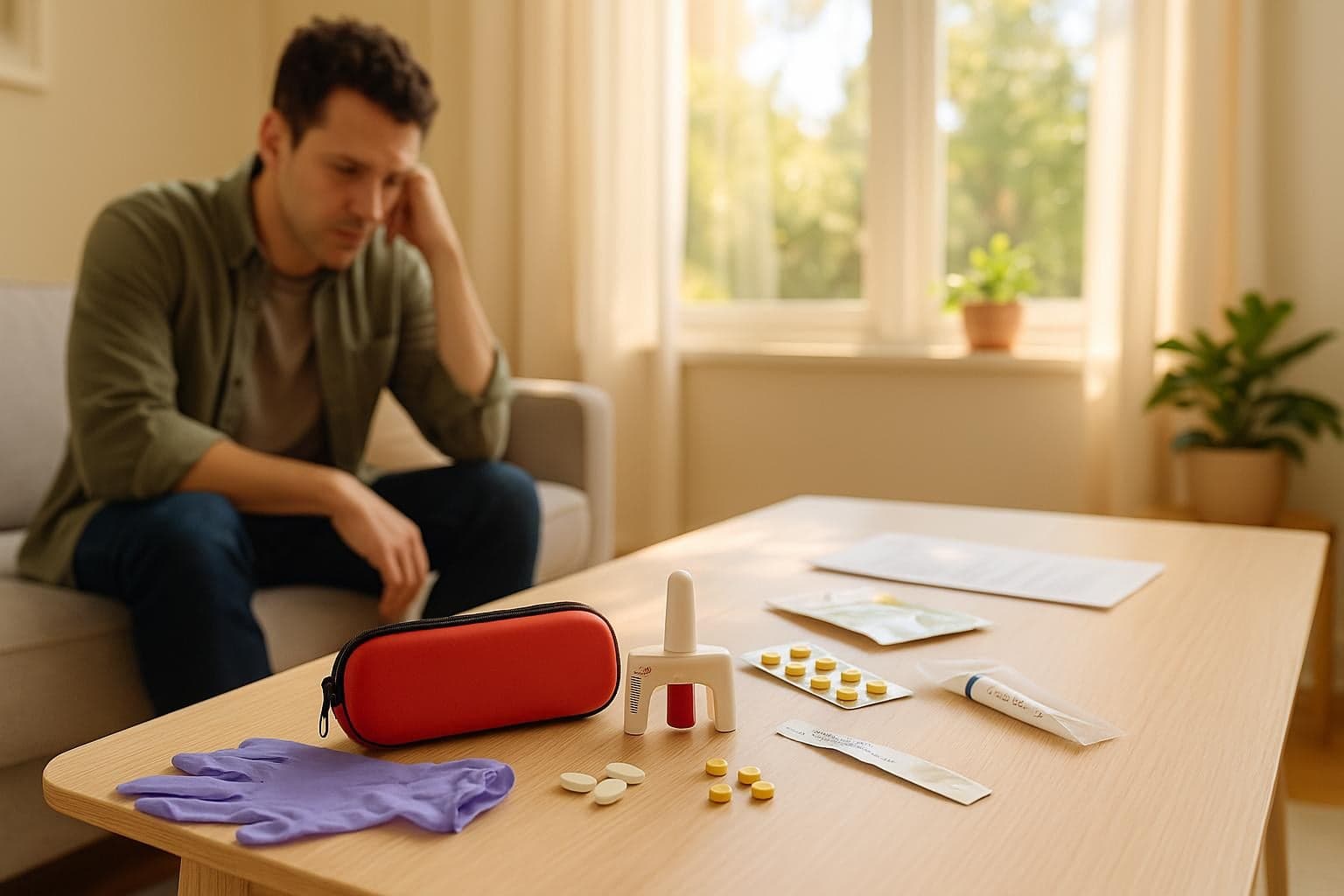
Fentanyl Addiction: What You Need to Know
Fentanyl addiction is a form of opioid use disorder involving one of the most potent opioids in the current drug supply. It can develop after repeated use of illegally made fentany…
Withdrawal Symptoms & Timelines by Substance
A withdrawal timeline estimates when symptoms may begin, become most intense and start to ease after someone reduces or stops a substance. It is a planning tool rather than a count…