
Cost of Rehab by Country: US, UK, Thailand & More

The cost of addiction treatment can look completely different depending on where you search. A residential programme may be publicly funded in one country, cost around the price of a new car in another, or combine private accommodation and intensive therapy at a lower price overseas. That variation makes an international rehab cost comparison useful—but only when the programmes being compared provide an appropriate and broadly equivalent level of care.
This guide examines published 2026 prices and official funding information for the United States, United Kingdom, Australia and several popular treatment destinations. Figures are indicative rather than guaranteed quotes. Programme length, clinical needs, insurance, room type and currency movements can all change the final amount. For a broader overview of treatment pricing, see How Much Does Rehab Cost? Complete Price Guide 2026.
Why cost varies so dramatically by country
Rehab prices reflect much more than the cost of accommodation. A medically directed inpatient unit requires doctors, nurses, medication management and the ability to respond to complications. A lower-intensity residential programme may provide 24-hour support without offering the same level of medical care. Understanding this distinction is essential when using a rehab cost by country comparison.
National healthcare systems also distribute costs differently. In the UK and Australia, eligible patients may receive free or subsidised treatment through public or commissioned services. In the US, private insurance networks, deductibles and prior authorisation can matter more than the facility’s advertised rate. Destination programmes are commonly self-funded, but lower labour, property and operating costs may allow them to charge less than comparable private centres in higher-cost countries.
- Level of medical supervision, including whether detoxification can be managed safely on site
- Number and qualifications of doctors, nurses, psychiatrists and therapists
- Frequency of individual therapy compared with group-based treatment
- Shared, private or luxury accommodation
- Programme duration and whether the fee is charged daily or as a package
- Public funding, insurance contracts and financial assistance
- Local wages, property costs, regulation and operating expenses
- Whether medication, laboratory testing, family work and aftercare are included
Do not choose a detox programme on price alone
Suddenly stopping heavy alcohol use can cause potentially life-threatening withdrawal, and benzodiazepine withdrawal can also cause severe complications. Speak to a doctor or qualified admissions team before travelling or attempting to stop. Confirm who performs the medical assessment, how withdrawal is monitored and which hospital receives patients if their condition deteriorates. The Withdrawal Symptoms & Timelines by Substance guide explains why clinical screening matters.
United States price ranges
The US has one of the widest pricing spreads. Free and low-cost state-funded services exist, while private residential programmes can cost tens of thousands of dollars per month. A 2026 Start Your Recovery study based on calls to more than 1,000 residential facilities found an average cash price of $27,466 for 30 days.
Insurance can therefore reverse the apparent international comparison. A US programme with a higher published rate may cost an insured patient less than an overseas programme that requires full self-payment. HealthCare.gov states that Marketplace plans cover mental health and substance use disorder services as essential health benefits, although actual benefits depend on the plan and state. Review Does Insurance Cover Rehab? Complete Guide before assuming that treatment abroad is the cheaper option.
The same US study estimated average total programme costs of about $6,500 for a six-day detox, $15,000 for 30 days of partial hospitalisation and $10,400 for 30 intensive outpatient sessions. These services are not interchangeable, so compare the clinical recommendation first and the price second. Our Inpatient vs Outpatient Rehab Cost Compared guide looks more closely at that decision.
United Kingdom price ranges — NHS free vs. private
In the UK, the lowest-cost route is usually an NHS or locally commissioned drug and alcohol service. NHS guidance directs people to local services for assessment, counselling, medication and, where clinically indicated, inpatient or residential support. In England, local authorities receive ring-fenced public health funding for drug and alcohol prevention, treatment and recovery services, including residential treatment.
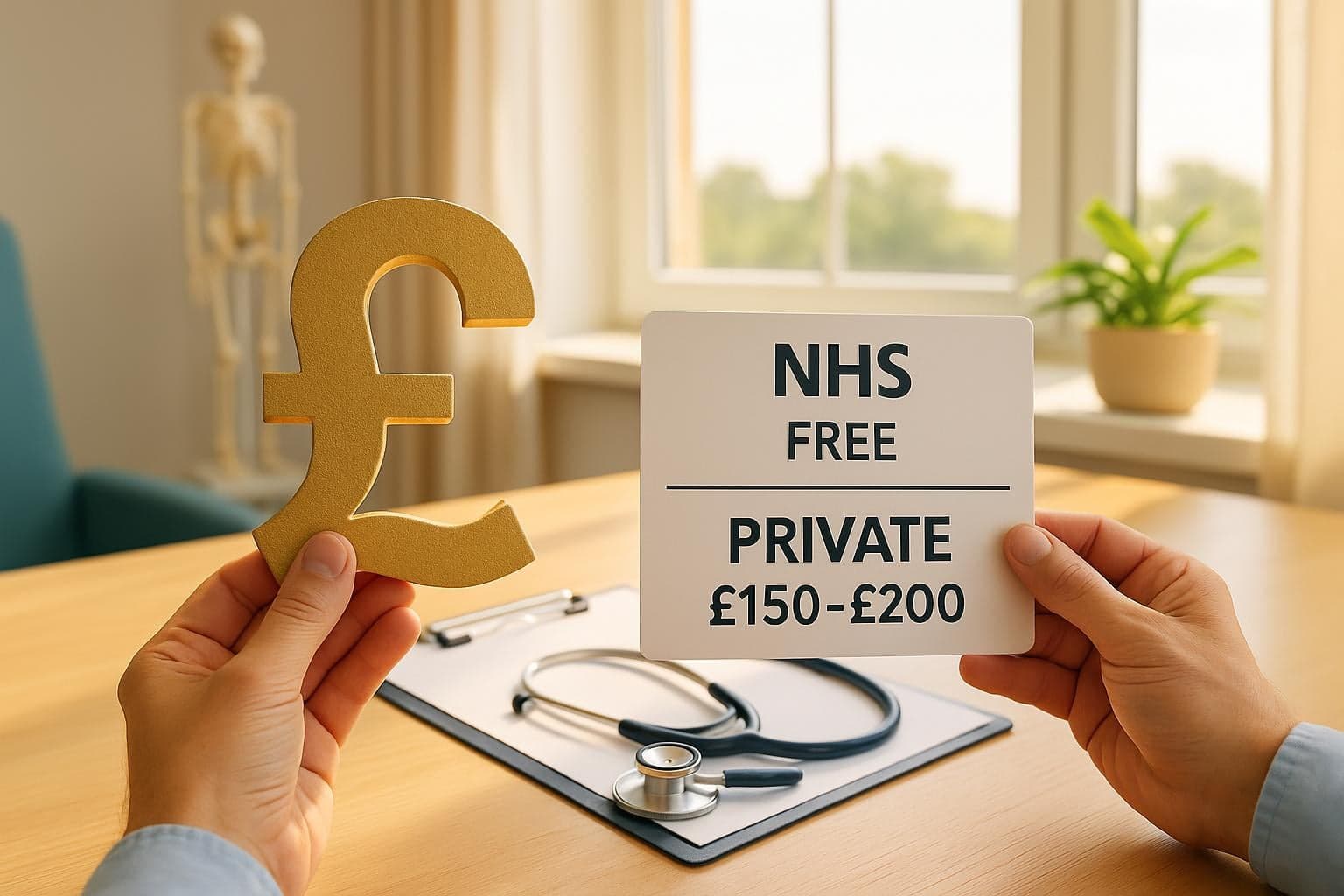
Publicly funded care may involve no direct programme fee, but access depends on assessment, local commissioning criteria and available placements. It should not be assumed that everyone requesting residential rehab will immediately receive a funded bed. Community treatment, home-supported withdrawal or structured day care may be recommended instead.
Published private-market guides place a 28-day UK stay at roughly £6,000 to £20,000 or more, with around £14,000 described as a common package price. Location, room type, medical detox and therapy intensity can move the quote substantially. Private insurance may help under some policies, but approval, network and pre-existing-condition rules must be checked directly with the insurer.
Australia price ranges
Australia also has public, charitable and private treatment pathways. Healthdirect states that some services are free, some request a co-payment and private centres set their own fees. Eligible private health cover may provide a rebate, but the amount depends on the policy and programme.
Current published private fees provide useful snapshots rather than a national average. Windsor House Private lists AUD $17,990 for 28 days, including accommodation, therapy and medical support. The Hader Clinic lists AUD $19,890 for a 28-day programme that includes up to seven days of hospital-based detox, residential treatment, a private room, counselling, medical reviews, meals and discharge planning.
An Australian quote should state whether hospital excesses, psychiatric consultations, medications and follow-up care are included. People comparing services can also consult Australia's Best Rehab Centers: Where to Get Help Nationwide, while the government-funded National Alcohol and Other Drug Hotline can provide free and confidential information about local options.
Thailand, Mexico, Portugal and other destination countries
People searching for the cheapest country for rehab often focus on Thailand, Mexico or Southern Europe. These destinations can offer lower self-pay prices than many US private programmes, but there is no single country that is always cheapest. Programme length, medical capability, language, accreditation and aftercare must be considered alongside the headline fee.
Indicative published residential prices as of 2026. Figures use the currency quoted by the source and are not guaranteed market averages.
| Country | Public or insured pathway | Indicative private residential price | Important context |
|---|---|---|---|
| United States | Free or low-cost services may be available; insurance can substantially reduce patient costs | $27,466 average cash price for 30 days | The 2026 study estimated about $5,500 out of pocket with in-network insurance |
| United Kingdom | NHS or locally commissioned treatment may have no direct programme fee after assessment | Approximately £6,000–£20,000+ for 28 days | One published guide describes about £14,000 as a common package price |
| Australia | Some public and charitable services are free or require a co-payment | Two published 28-day examples cost AUD $17,990 and AUD $19,890 | Insurance rebates and hospital excesses vary |
| Thailand | International residential care is usually self-funded | Approximately US $5,000–$20,000 per month | A published mid-market example charges US $12,500 for 30 days |
| Mexico | Usually self-pay, with possible reimbursement under limited insurance arrangements | One published substance-use programme costs about US $16,300 for 35 days | Shared accommodation is included; flights and private-room upgrades are extra |
| Portugal | Public treatment may be available through the national system; international clients commonly use private care | Approximately €3,000–€15,000 per month in a 2026 Portuguese pricing guide | Luxury programmes may charge more and English-language provision varies |
Thailand’s published private range is broad. One current pricing guide places programmes between US $5,000 and $20,000 per month, depending on staffing, group size and access to medical services. Mexico can be convenient for North American families, but published packages are not always 28 or 30 days; one provider lists a 35-day substance-use programme at approximately US $16,300.
A Portuguese 2026 directory guide estimates private residential treatment at €3,000 to €15,000 per month, with location and service level affecting the quote. Other destination countries may also be competitive, but transparent pricing and clinical standards vary. Use Choosing Rehab Abroad: International Treatment Guide and How to Choose a Rehab Center: 10 Questions to Ask to evaluate the programme rather than relying on destination or price alone.
What's typically included at each international price point
The lowest quote is not necessarily the lowest final bill. One programme may include detox, medication, private accommodation and daily individual therapy, while another covers only a bed, meals and group sessions. Ask every centre to produce an itemised written estimate for the complete recommended stay.
Common inclusions by broad self-pay price tier. Individual facilities may structure packages differently.
| Price tier | Common inclusions | Potential exclusions to check |
|---|---|---|
| Public, subsidised or budget care | Assessment, basic accommodation where residential, meals, group work, case management and essential clinical support | Waiting periods, private rooms, frequent individual therapy, travel, optional activities and extended aftercare |
| Mid-range private care | Accommodation, meals, structured groups, individual counselling, medical reviews, discharge planning and some family support | Detox medication, external hospital care, laboratory tests, psychiatric appointments and ongoing therapy after discharge |
| Premium or luxury care | Private accommodation, lower client numbers, more individual sessions, broader wellness activities and enhanced hospitality | Specialist medical procedures, emergency hospital treatment, flights, visas, companion travel and long-term aftercare |
Clinical content matters more than resort-style extras. Request the weekly schedule, the expected number of individual sessions and the credentials of the professionals delivering them. The Types of Therapy Used in Addiction Treatment guide can help you identify evidence-based approaches behind vague descriptions such as “holistic healing” or “transformational care.”
Questions to ask before comparing total prices
- Does the fee cover a pre-admission medical and psychiatric assessment?
- Is medically supervised withdrawal included, and which substances can the centre manage safely?
- How many individual therapy sessions are provided each week?
- Are prescribed medications, laboratory tests and external medical appointments included?
- Is the quoted room shared, private or subject to an upgrade fee?
- Does the fee include airport collection, laundry, meals and local transport?
- What happens financially if treatment must be extended or ended early?
- What aftercare is included after the patient returns home?
- Will the centre provide clinical records and a discharge plan to the home treatment team?
Currency and logistics considerations
International treatment should be budgeted as a complete journey, not just a programme fee. Flights, passports, visas, ground transfers, travel insurance, medication supplies and accommodation for accompanying relatives can reduce the apparent saving. A longer programme may also require a visa extension or a flexible return ticket.
Currency movements create another layer of uncertainty. Ask whether the price is fixed in US dollars, pounds, euros or local currency, and confirm which exchange rate and payment date apply. Bank transfer charges and card conversion fees should be added to the estimate. If possible, retain an emergency reserve rather than committing the entire budget to the initial programme payment.
Local public or insured care
- May produce the lowest direct cost
- Easier coordination with existing doctors and insurers
- Family involvement and aftercare are simpler
- Choice or residential availability may be limited
Local private care
- No international travel or visa planning
- More straightforward emergency and follow-up care
- May accept domestic insurance
- Self-pay prices can be high
Private rehab abroad
- Potentially lower self-pay package price
- May make longer residential stays affordable
- Usually requires substantial upfront payment
- Travel, insurance and continuity-of-care risks must be planned
The CDC advises medical travellers to verify overseas health coverage, consider medical evacuation insurance, bring medical records and prescriptions, and arrange follow-up care before leaving the US. It also notes that care required after returning home may be expensive or excluded from insurance. Medicare generally does not cover healthcare outside the US except in limited circumstances.
Before departure, agree on who will prescribe ongoing medication, how clinical records will be transferred and where counselling will continue after discharge. The right programme length should be based on clinical need rather than the cheapest flight date; see How Long Does Rehab Take? 30/60/90-Day Guide. Once admission is confirmed, What to Pack for Rehab: Complete Checklist can help with practical preparation.
Explore Rehabs by Location
Related Reading
Frequently Asked Questions
It can be, particularly for a self-paying patient comparing an overseas programme with a high-priced private residential centre at home. For example, published private programmes in Thailand commonly fall below the US average cash price of $27,466 for 30 days. However, an insured US patient with an in-network estimated cost of about $5,500 may pay less by staying local. Add flights, visas, travel health and evacuation insurance, medication, payment fees, companion expenses and aftercare before deciding. Ask both centres for written, itemised estimates covering the same level and duration of care.
Related Articles
Inpatient vs Outpatient Rehab Cost Compared
Inpatient rehab cost is usually higher than outpatient rehab cost because the fee covers more than scheduled therapy. Residential and hospital-based programs must provide accommoda…

State-Funded Rehab Programs: State-by-State Guide
State-funded rehab provides publicly supported drug and alcohol treatment for people who may be uninsured, underinsured, or unable to pay private treatment fees. These services are…

Grants & Scholarships for Addiction Treatment
The cost of treatment can feel like a major barrier, particularly when insurance is unavailable, has a high deductible or does not cover the recommended programme. Addiction treatm…