


Perth Clinic
About Perth Clinic
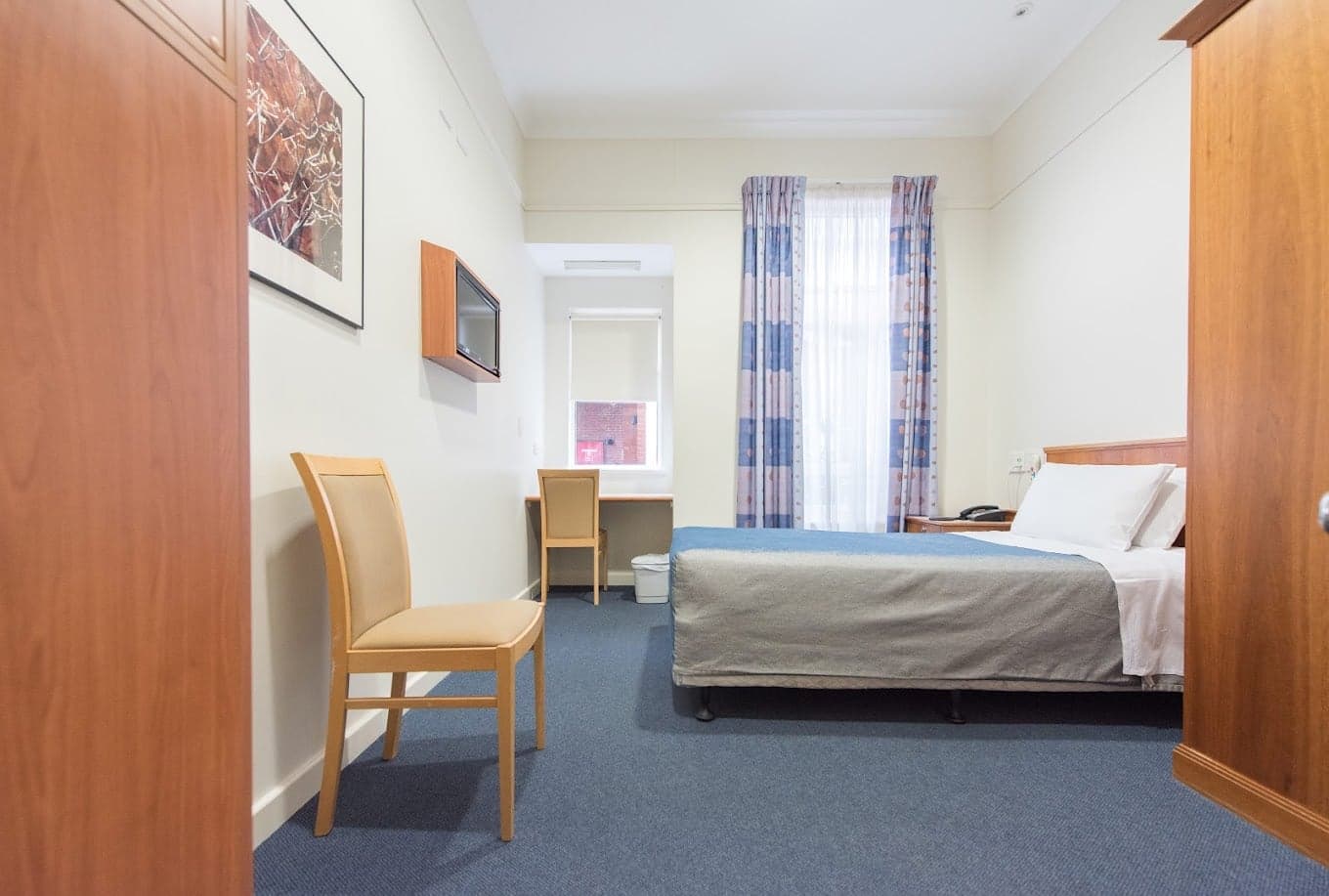
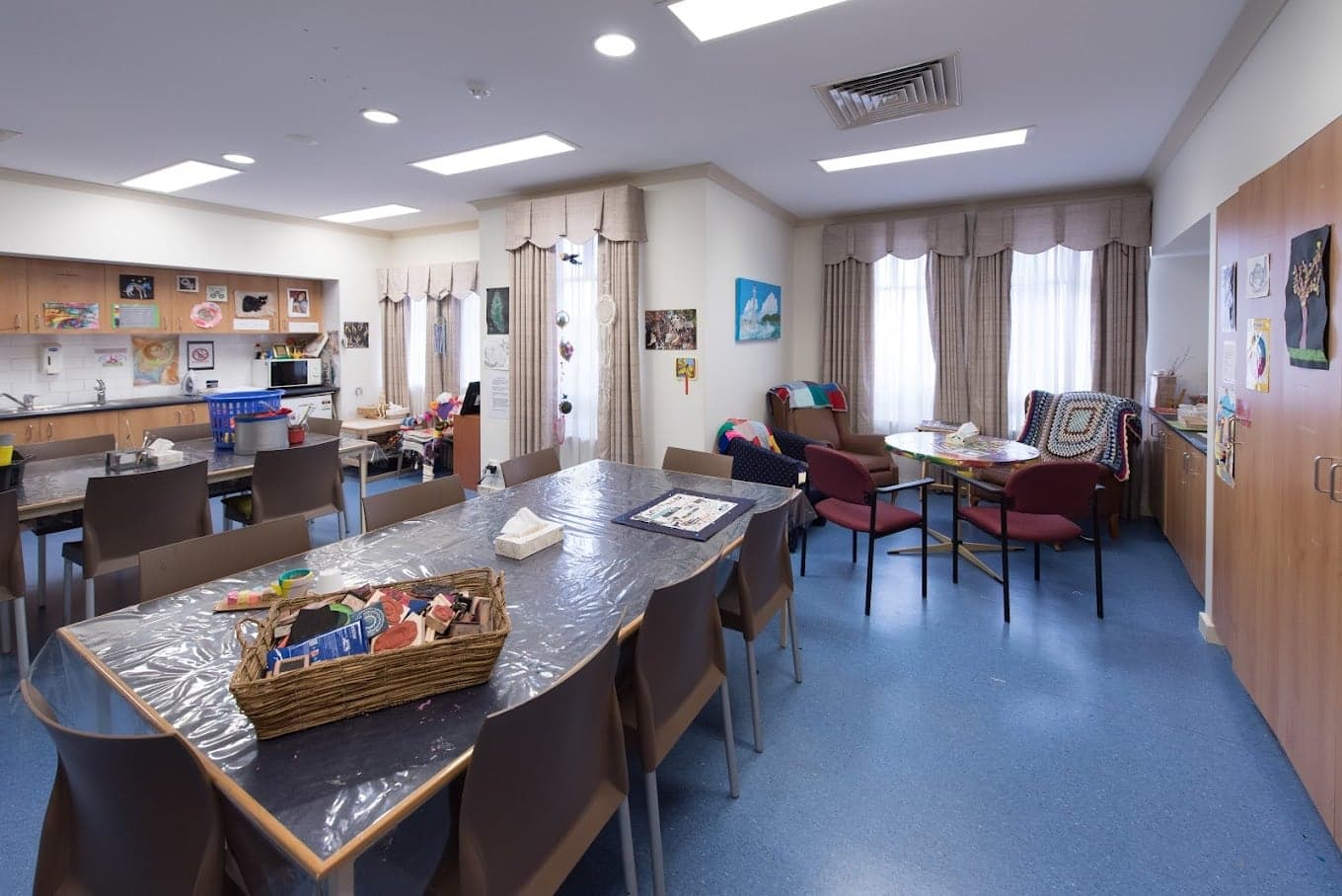
Perth Clinic is an independent private psychiatric hospital providing residential and day-patient care in West Perth, Western Australia. Established in 1996, the 100-bed facility supports adults experiencing mental health concerns, substance use disorders and co-occurring conditions within a warm heritage setting close to central Perth. Treatment is holistic, evidence-based and tailored to the individual. Following assessment, each patient works with a multidisciplinary clinical team to identify suitable therapies and recovery goals. Care may combine psychiatric oversight, individual counselling, structured group work, medication management and specialist treatments such as EMDR or transcranial magnetic stimulation. Programs address depression, anxiety, trauma, bipolar disorder, personality disorders, ADHD, eating disorders and alcohol or drug addiction. Available therapies include CBT, DBT, art therapy, mindfulness, interpersonal therapy and dedicated drug and alcohol recovery groups. Day programs and community-based outreach can provide alternatives to admission or continued support after discharge. The hospital balances clinical structure with comfortable surroundings. Most bedrooms are private and include an ensuite, television and individually controlled air conditioning, while shared rooms are also available. Patients can enjoy chef-prepared meals, furnished lounges, landscaped gardens and an outdoor courtyard designed to make treatment feel welcoming and supportive.
Centre Highlights
Location
View on MapsActivities
Cognitive Behavioural Therapy
CBT programs help patients recognise unhelpful patterns in thoughts and behaviour while building practical skills for managing depression, anxiety, addiction and other psychological concerns.
Dialectical Behaviour Therapy
DBT combines structured group learning with practical emotional regulation, distress-tolerance and relationship skills. Perth Clinic offers primer, intensive and extended day-patient formats.
Art Therapy and Creative Expression
Guided art-making, imagery, movement and creative writing offer alternative ways to explore emotions that may be difficult to express verbally. Previous artistic experience is not required.
Drug and Alcohol Recovery Groups
Addiction-focused therapy addresses the effects of problematic alcohol and drug use, relapse patterns and sustainable recovery skills. The clinic also offers its Remap day-patient recovery program.
Reviews from Guests
Real experiences from people who've been there.

I attended an ADHD assessment with Dr Christopher Lee and found the experience to be very disappointing and not reflective of a proper, structured evaluation. Within the first 10 minutes of the consultation, the focus shifted away from assessment and toward criticism of my university and career choices. I was told I did not seem committed or passionate and was questioned about whether I should continue university. This felt inappropriate and unrelated, as I was there specifically for an ADHD assessment, not career judgement. The session itself did not follow a structured ADHD evaluation. My symptoms were not explored in depth, I was not guided through my history, and no clear diagnostic framework or reasoning was explained. When I became nervous and struggled to communicate, I was not supported. instead I felt talked over and dismissed. As the consultation progressed, I found myself shutting down and giving shorter answers due to how uncomfortable the interaction had become. No clear explanation was provided for the conclusion that I do not have ADHD, which is concerning given the limited exploration of my symptoms. I am now undergoing further assessment elsewhere for ADHD and autism, which makes the lack of depth in this consultation particularly troubling. I was also uncomfortable with how information from the consultation appeared to be shared immediately after I left, which raised concerns for me around confidentiality and professionalism. Given that ADHD can present differently in women, including masking and internalised symptoms, I did not feel these factors were considered during the assessment. Overall, this did not feel like a thorough or patient-centred ADHD assessment. The experience was dismissive, unstructured, and left me feeling unsupported. Additionally, no questionnaires or standardised screening tools were administered during the consultation, which I understand to be a standard part of any thorough ADHD assessment. I would like to note that the clinic manager was excellent, she was professional, kind, and handled my concerns with care and efficiency. A full refund was issued promptly. My concerns are specific to this consultation and do not reflect the clinic's administrative team, who were a credit to the practice.

This review is for Dr Lindsay Allet. Looking back, I have significant concerns about the diagnostic process and the medications that were prescribed to me, including seroquel, which was prescribed during my first appointment with him, and lamotrigine, which was prescribed later on top of the seroquel. During an appointment, I recall Dr Allet saying that he had a female patient who was constantly annoyed or triggered by her partner and that, after starting lamotrigine, she was no longer annoyed. I found this comment unprofessional and concerning in the context of my care. Overall, my experience left me questioning whether the assessment and prescribing approach were appropriate for my situation.

My friend (who I will choose to remain anonymous) recently went for an appointment with Dr.Raymond Wu, who specialises in ADHD, was incredibly rude and unprofessional to a friend who I was with for the appointment . He taunted her saying how dumb she was (she has an intellectual disability, mild ) he also criticised her weight even tho she was not there for a weight analysis as part of her booking . The final thing that happened was that a few back Dr.Wu diagnosed her a few years back ADHD and then said that he never diagnosed her nor does she have ADHD. He has also medicated her for this in the past. Very concerning and I do not recommend as I do not want this to happen to anyone else.

My experience with Dr Christopher Lee was deeply disappointing and unsafe. I was uptitrated (extremely slowly) to 200mg of quetiapine. When I reported that it helped briefly for a few days before stopping, I was told it was “in my head it couldn’t possibly work that quick” rather than having my treatment properly reviewed or adjusted when I told him I was becoming suicidal. He put his hands up and said he couldn’t help me anymore, didn’t even charge me the appointment which is fortunate because I would not have paid anyway. Even at my first appointment I came in close to crisis and it took 3 weeks to get any medication to attempt some relief so I could function. I left my last appointment and went straight to ED, waited 7 hours and once seen they were shocked by the lack of care. Mental health care requires listening, validation, and appropriate follow-up. Unfortunately, this was not provided in my case.
Treatment at Perth Clinic
Levels of Care
Individual and Trauma Therapies
Evidence-Based Psychotherapies
Addiction and Co-Occurring Care
Specialist Psychiatric Treatments
Treatment Approach
Accommodation and Amenities
Rooms and Comfort
Food and Dining
Outdoor and Shared Spaces
Similar Centres



Admissions FAQs
Helpful information for people considering inpatient or day-patient treatment at Perth Clinic in Western Australia.
The following therapies are included: 1-on-1 counseling, 1-on-1 counseling with clinical psychologist and more.