
NAMS Singapore
About NAMS Singapore
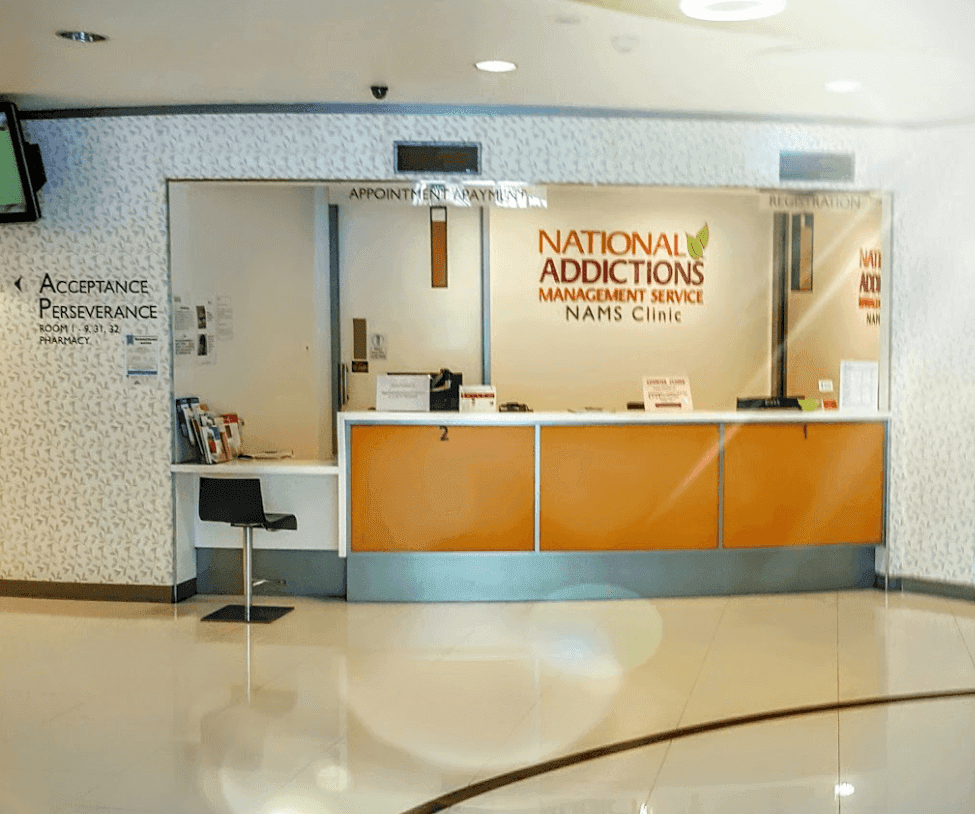
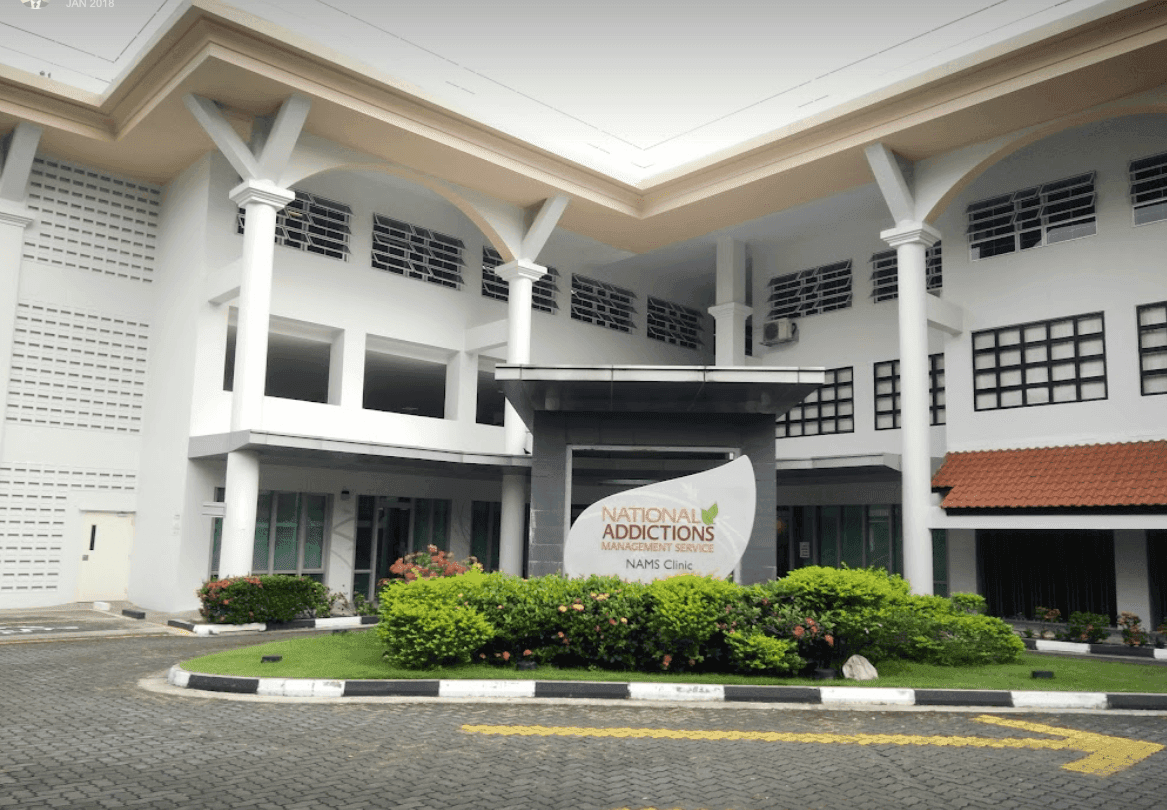
The National Addictions Management Service (NAMS) is a specialist addiction treatment service based at Singapore’s Institute of Mental Health. Established in 2008 with support from the Ministry of Health, it provides accessible, evidence-based care for substance use, gambling, gaming, internet-related behaviours and other addictions. NAMS takes a personalised, non-12-step medical approach rather than relying on a single recovery model. Each client receives a multidisciplinary assessment, typically involving a doctor and counsellor, before an individual treatment plan is developed. Psychiatrists, psychologists, nurses, counsellors, medical social workers and occupational therapists can contribute to care, including support for co-occurring anxiety, depression, anger and stress. Inpatient treatment is delivered through the Serenity Centre, where medically supported detoxification is followed by stabilisation and rehabilitation planning. Clients may receive medication-assisted treatment, individual counselling, group therapy, family therapy, psychoeducation and relapse-prevention support. Outpatient care, adolescent services, gambling programmes and continuing recovery groups offer additional pathways for people who do not require admission or need ongoing support after discharge. Family participation is an important part of the NAMS philosophy. Family Matters, caregiver counselling and dedicated support groups help loved ones understand addiction, communicate more effectively and protect their own wellbeing. Located within Buangkok Green Medical Park, NAMS combines hospital-based clinical resources with links to peer support, community organisations and continuing care services across Singapore.
Centre Highlights
Location
View on MapsActivities
Individual Addiction Counselling
Private one-to-one sessions help clients understand their substance use or behavioural addiction, strengthen motivation and develop a personalised recovery and relapse-prevention plan.
Therapeutic and Peer Groups
Counsellor-led group therapy creates opportunities to practise coping skills and learn from others in recovery. The BRIDGE programme provides continuing peer connection for clients experiencing drug or alcohol problems.
Family Therapy and Caregiver Support
Family sessions address communication, relationships and the wider effects of addiction. Family Matters and caregiver groups also give loved ones practical guidance and space to care for their own wellbeing.
Psychoeducation and Relapse Prevention
Structured education explores addiction, cravings, emotions, healthy routines and warning signs for relapse. Clients learn practical strategies that can be carried into everyday life after treatment.
Reviews from Guests
Real experiences from people who've been there.

How dare you didn't admit a legitimate patient and let her go without a proper diagnosis. It was even more unprofessional and irresponsible because this institution had previous data of her. For the Dr and/or staff who did not admit her in, despite the fact that my family was willing to pay and told you about all the ill treatments the patient caused towards my family, I just want you to know that you destroyed my life. I only managed to know the truth now because I wasn't present there myself and didn't know the length my grandpa had to go through to admit her into this hospital again. I had to fight with him to know the truth of why we still have to deal with this patient ourselves at home....Do not repeat the mistakes we did.

Not worth the time or effort to visit. please do not come. There is nothing here. Not even a butterfly garden

I liked the part where they wouldn't listen to me

Awesome!
Addiction Treatment at NAMS
Levels of Care
Core Therapies
Treatment Approach
Specialised Programmes
Facilities and Patient Amenities
Accommodation
Clinical Facilities
Access and Convenience
Similar Centres


Frequently Asked Questions About NAMS
Helpful information for people considering addiction assessment, outpatient care or admission through NAMS in Singapore.
The following therapies are included: group therapy, 1-on-1 counseling and more.